Sales hot line ( 24 hours service): 18037961302
E-Mail: firstfurnace@gmail.com
whatsapp:+8618037961302
Adress: Luoxin Industrial Park, Luoyang, HenanLarge AC Motors Terminal Rings
Medium-frequency welding of mo
Medium-Frequency Brazing Equip
Integral Brazing Process for t
Online Heating Equipment for T
Online Heating Equipment for A
Aluminum ingot heating equipme
Welding Equipment for Traction
Fully Digital Medium Frequency
Motor rotor end ring brazing e
Brazing equipment for hydro ge
Generator rod induction brazin
Hydropower generator stator ba
Large diameter steel pipe quen
Piston rod quenching and tempe
Grinding rod quenching and tem
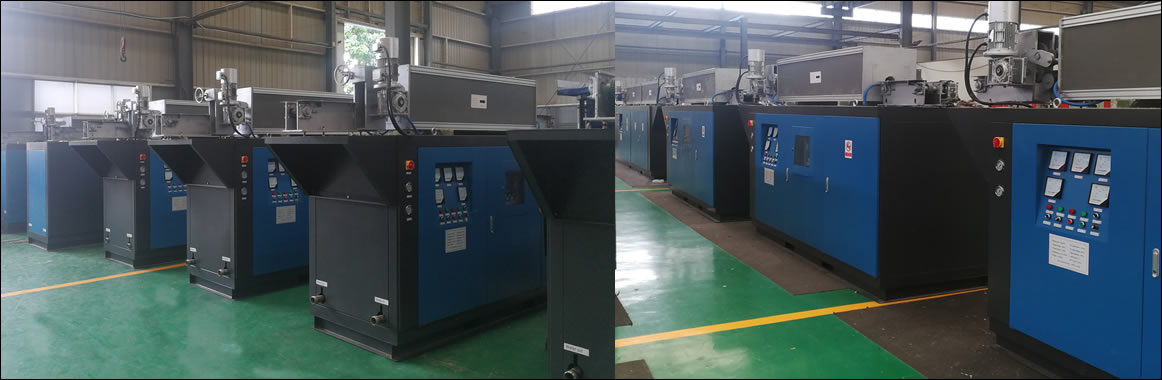
Fault phenomenon: There is no reaction when the intermediate frequency furnace of the intermediate frequency furnace starts. After observation, the phase loss indicator on the control circuit board is on.
Mid-frequency furnace fault analysis and processing: This fault phenomenon is more obvious, caused by the following reasons:
1) Fast-blow fuse--General fast-blow fuses have blown indications. You can judge whether the fuses are blown by observing their indications, but sometimes they are not indicated or indicated due to the use of fast-acting fuses for too long or quality reasons. Be clear, use a multimeter to measure after power off.
The treatment method is: replace the fast fuse and analyze the cause of the blow. There are two reasons why a fast fuse is generally blown:
1) The intermediate frequency furnace operates under the conditions of long time high power and high current, which causes the fast fuse to heat up and fuse the fuse.
The failure of the intermediate frequency furnace rectification control circuit causes instantaneous large current surge. The rectifier circuit should be checked.
The rectified load or the intermediate frequency load is short-circuited, causing an instantaneous large current surge, burning the fast fuse and checking its load circuit.
2) The contact of the main switch is burned out or the front-end power supply system has a phase loss fault - measure the line voltage of each stage with the multimeter's AC voltage file to determine the fault location.
Large AC Motors Terminal Rings Medium-fr
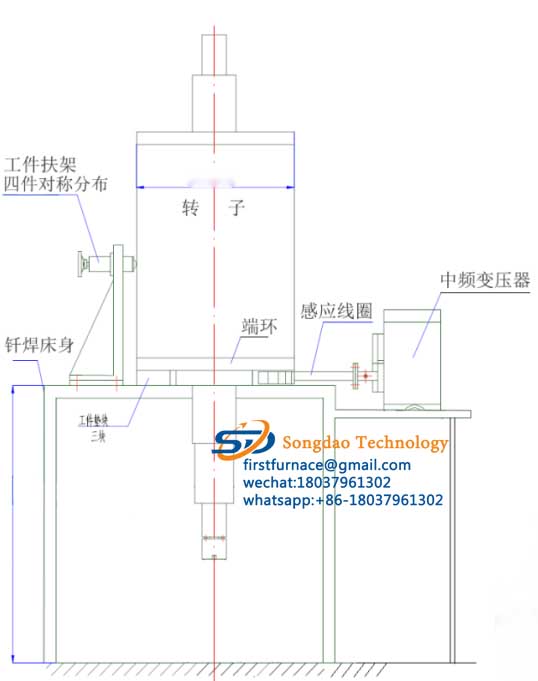
Electric Motor Rotor Bars and End Rings
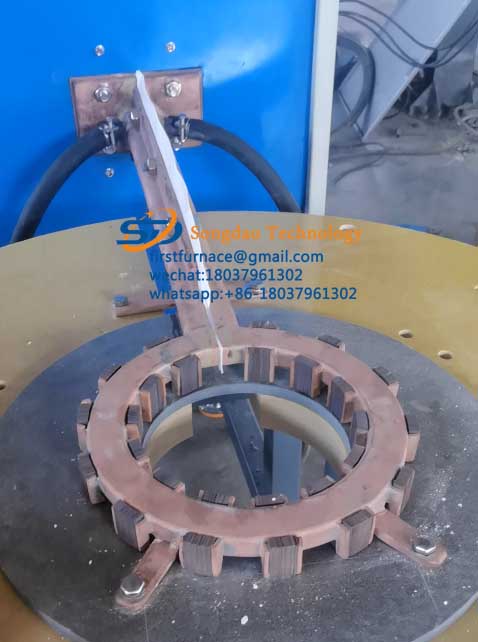
Medium-frequency welding of motor rotors
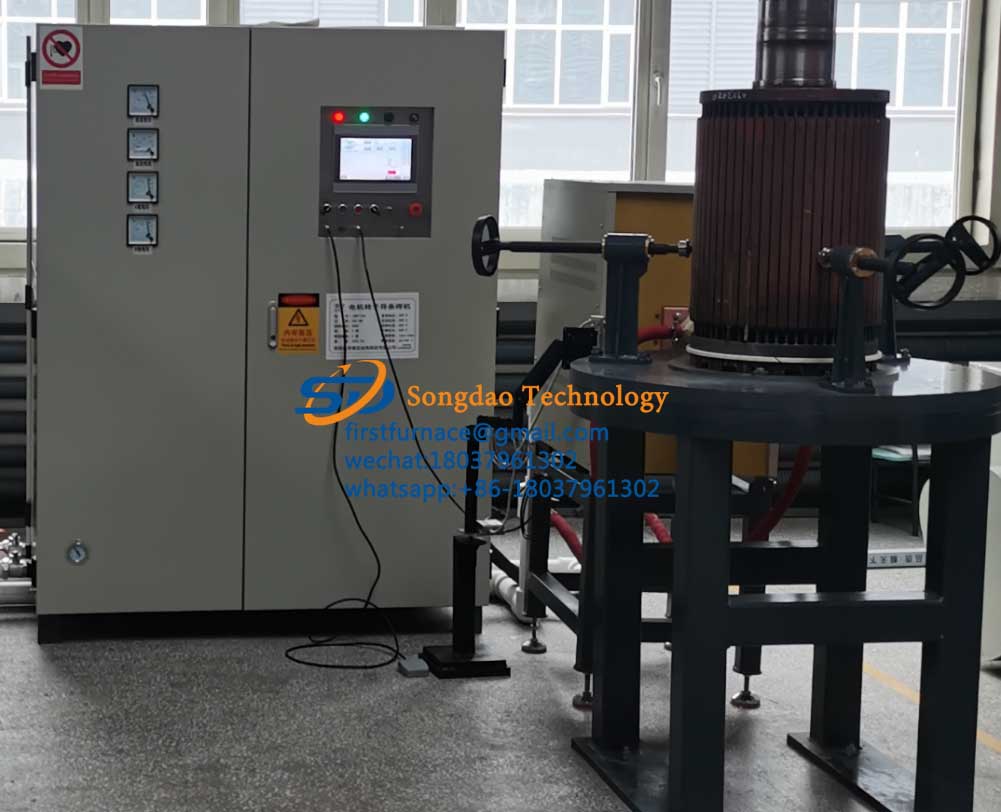
Medium-Frequency Brazing Equipment
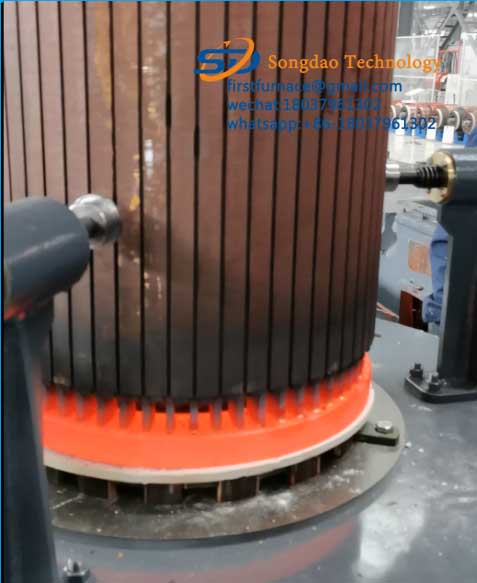
Integral Brazing Process for the Rotor E
Online Heating Equipment for Trapezoidal
Online Heating Equipment for Aluminum In
Aluminum ingot heating equipment
Welding Equipment for Traction Motor Rot
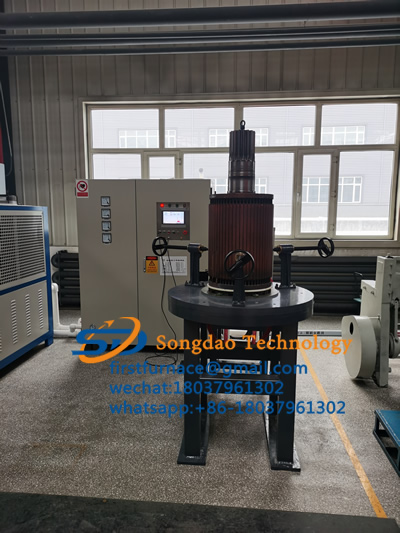
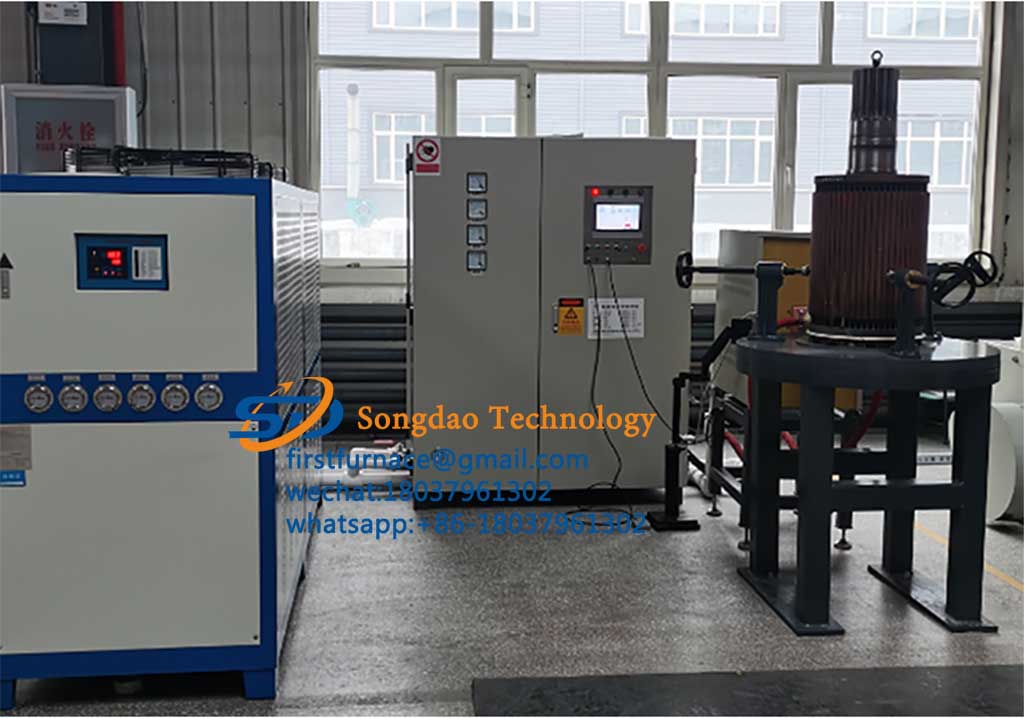
Fully Digital Medium Frequency Welding E
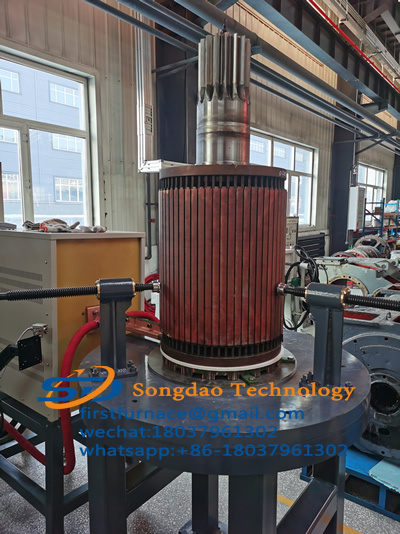
Motor rotor end ring brazing equipment
Motor Rotor Guide Bar Welding Heating Eq
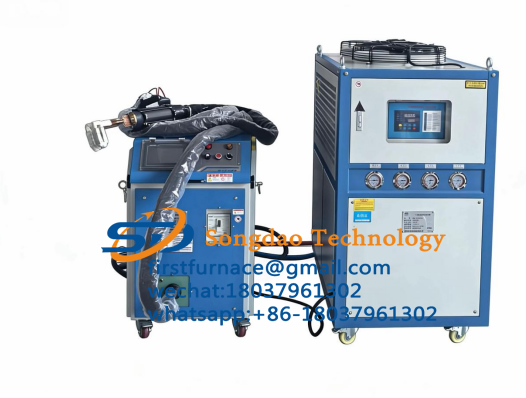
Brazing equipment for hydro generator co
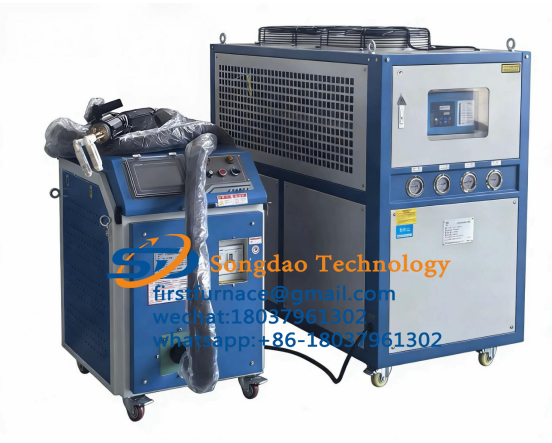
Generator rod induction brazing equipmen
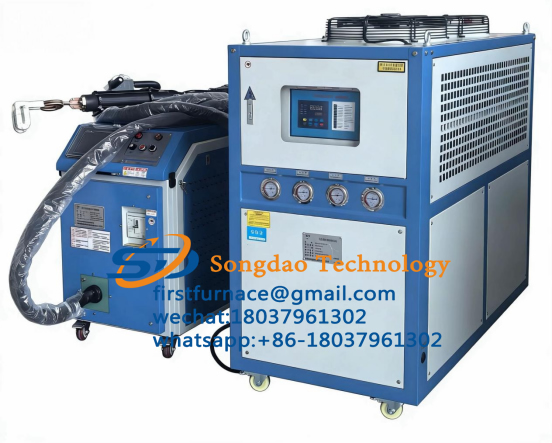
Hydropower generator stator bar brazing
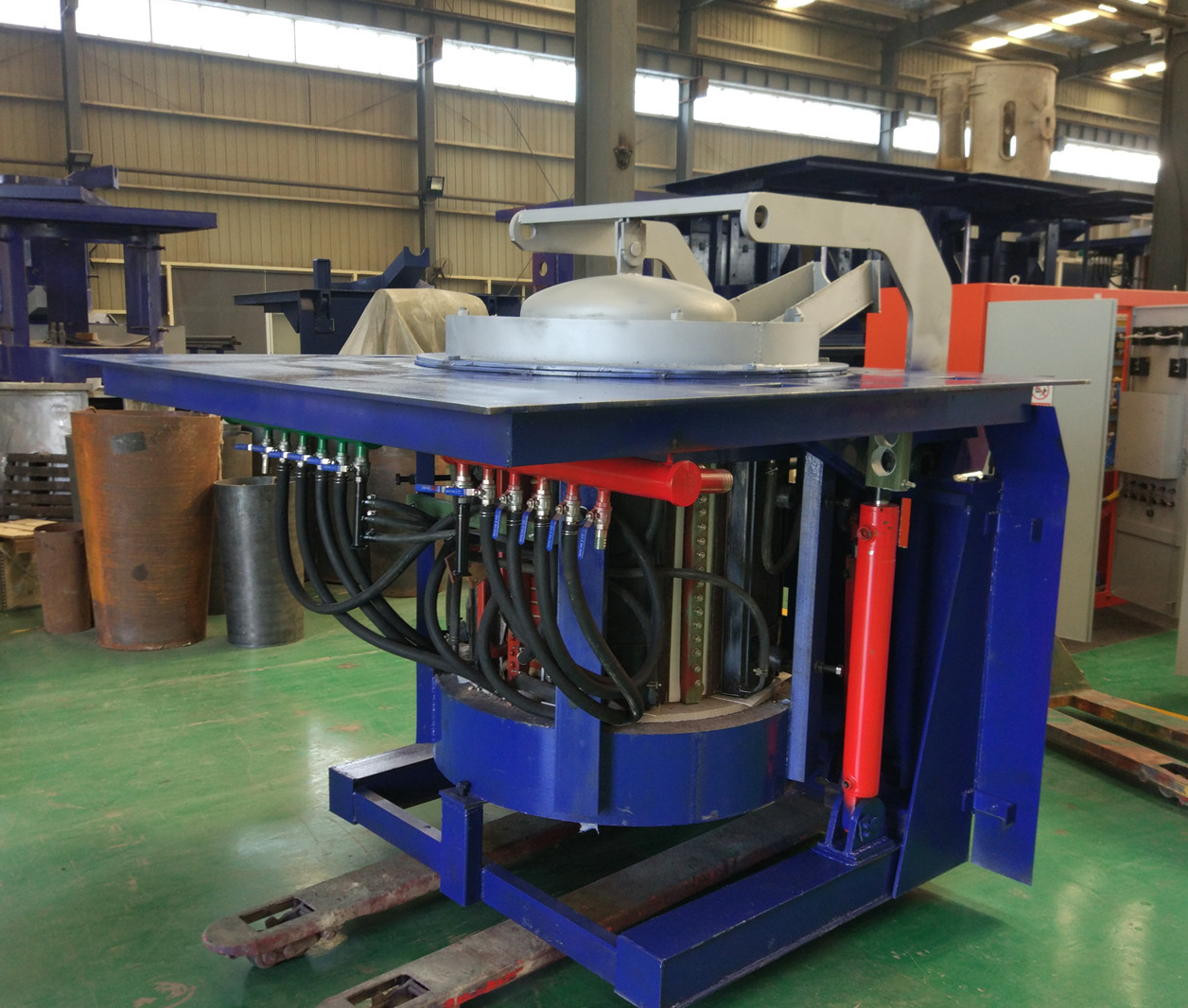
Iron induction furnace
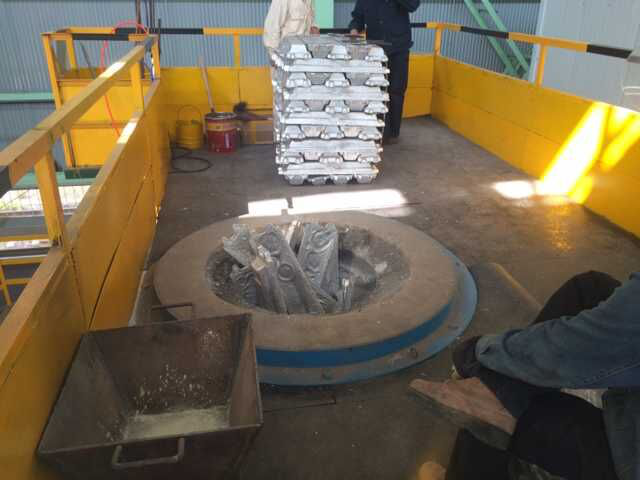
Aluminum melting furnace
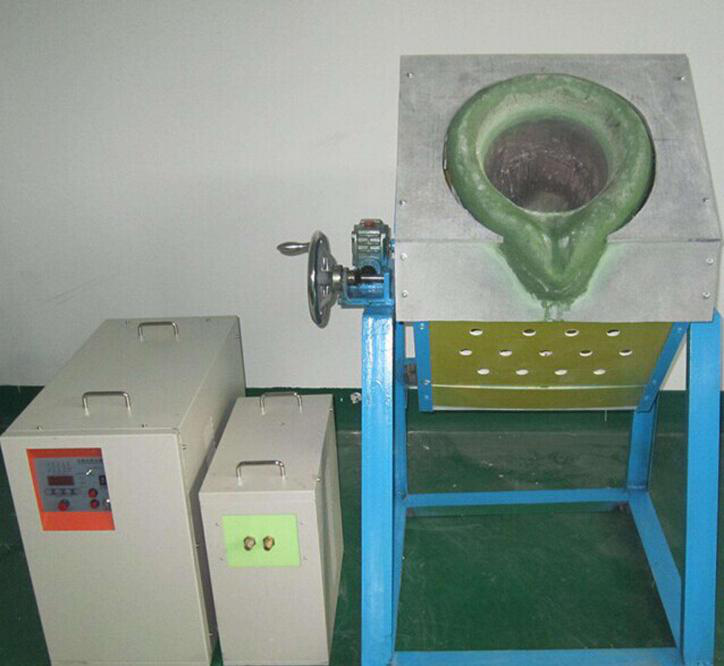
Copper melting furnace
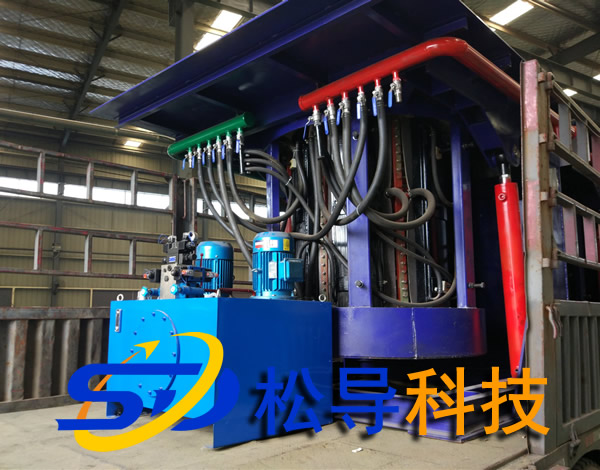
Small steel melting furnace
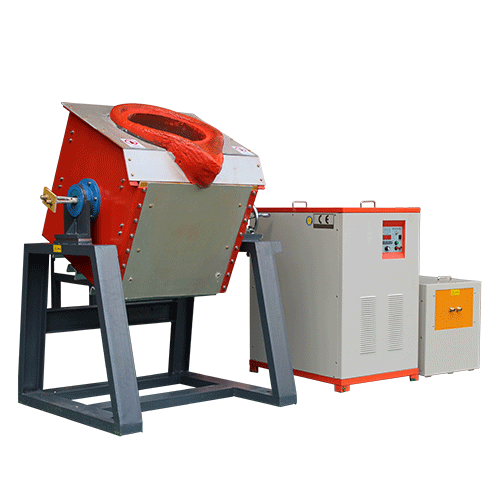
Small induction melting furnace
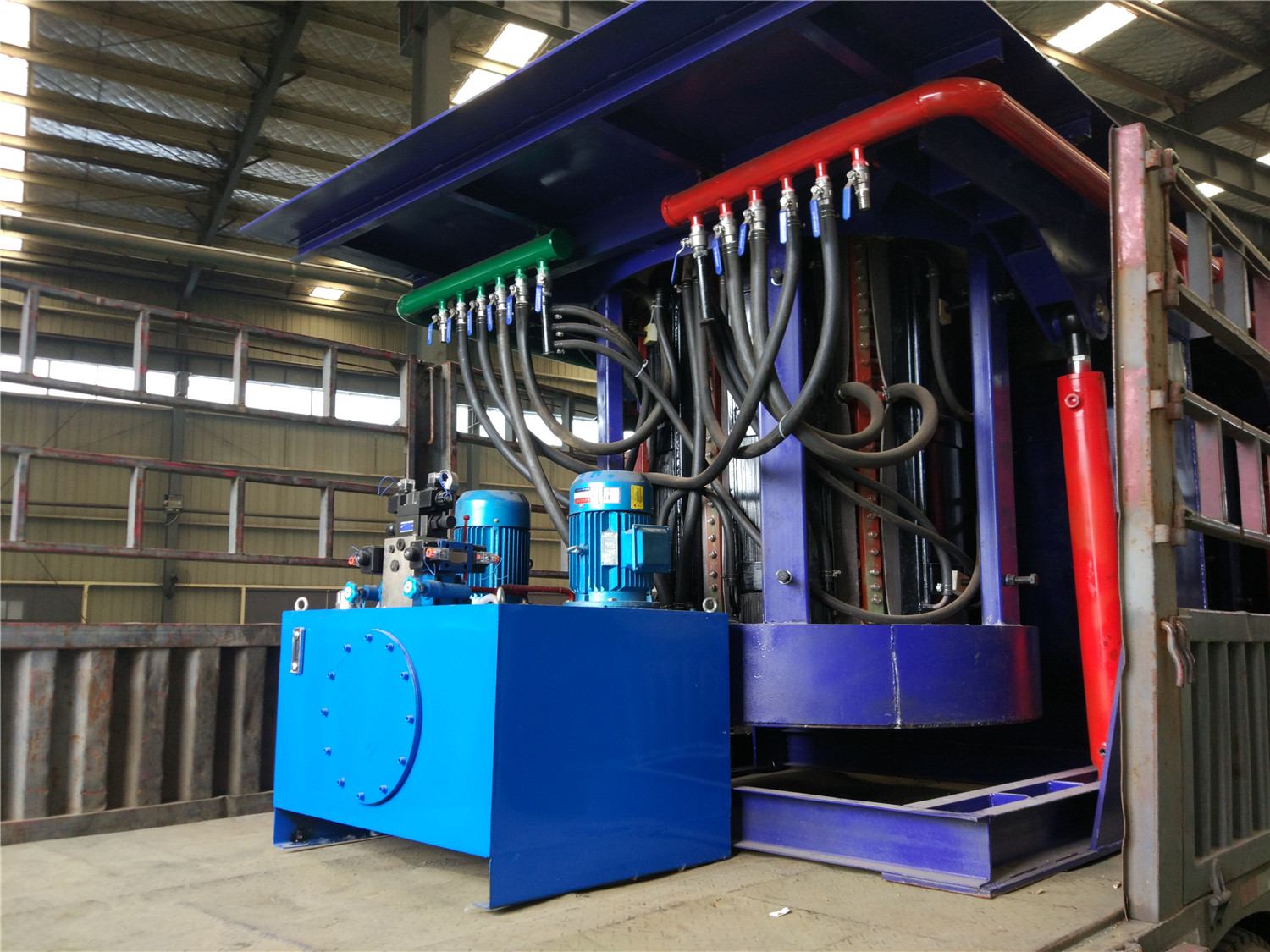
Induction iron furnace
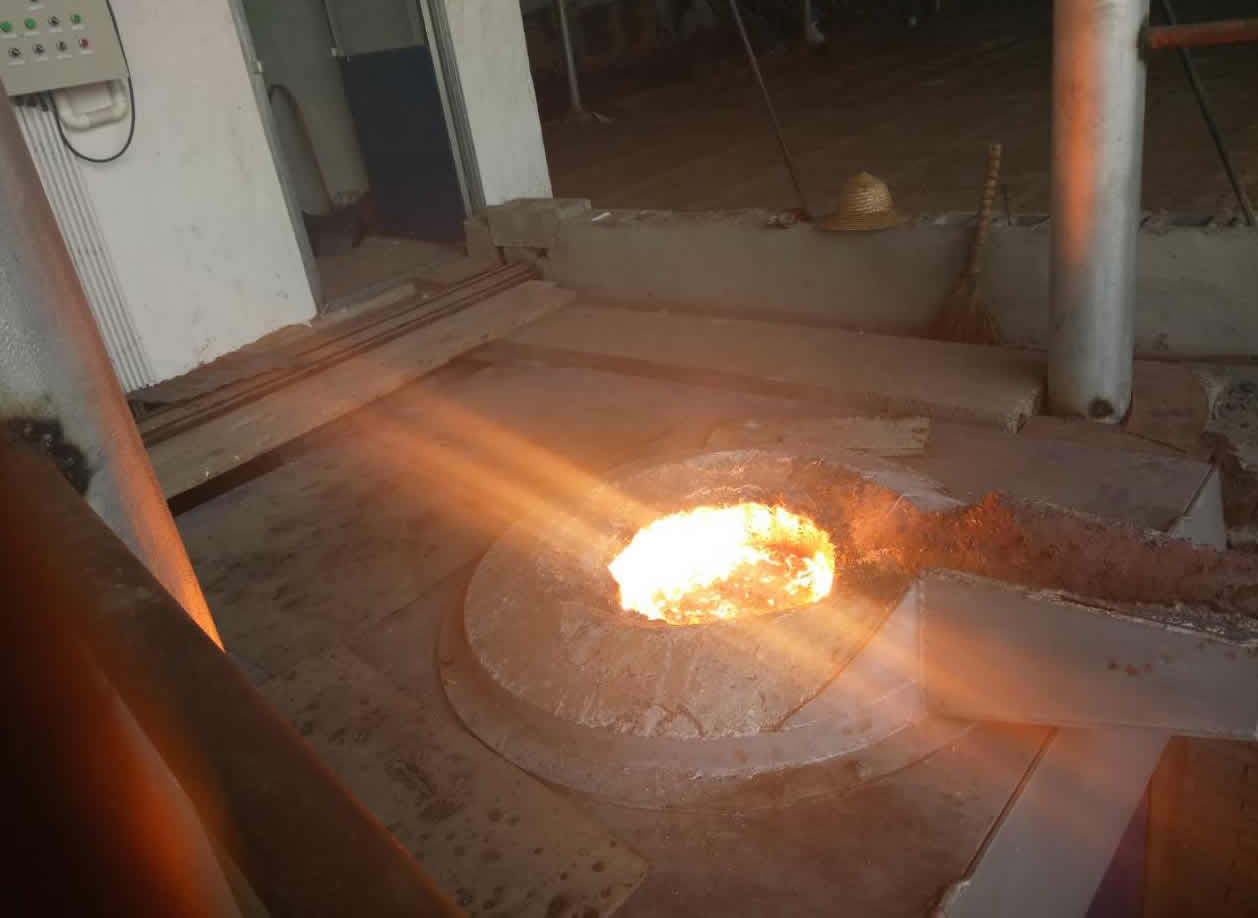
3T intermediate frequency iron melting f
0.25T Intermediate Frequency Furnace
0.5T Intermediate Frequency Furnace
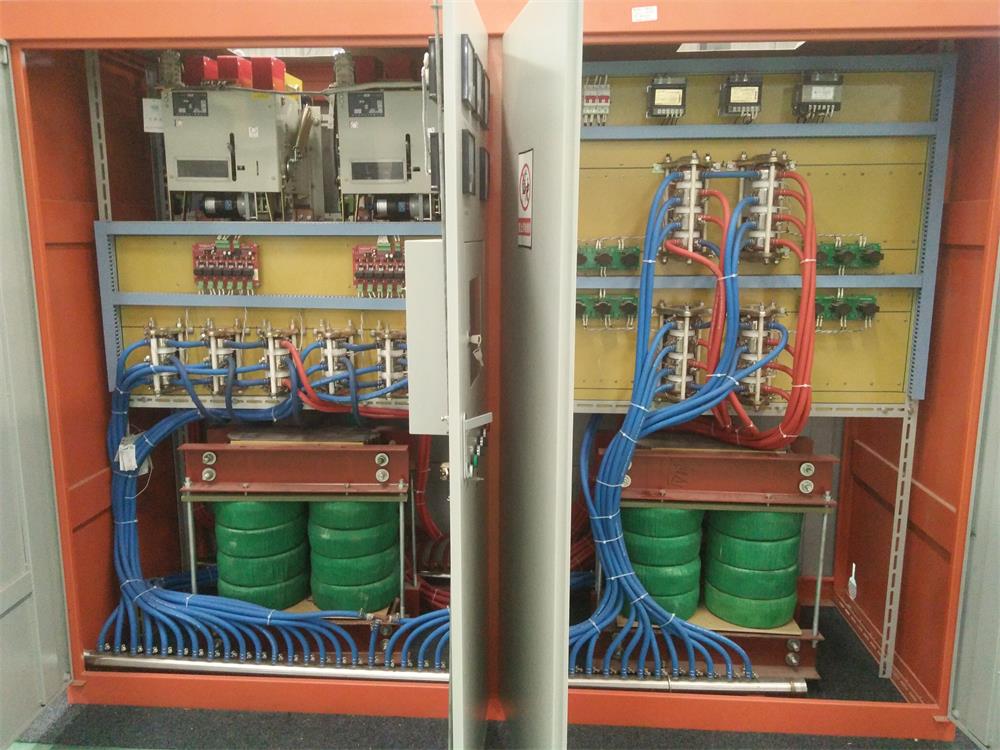
Medium Frequency Furnace

2T Induction Melting Furnace
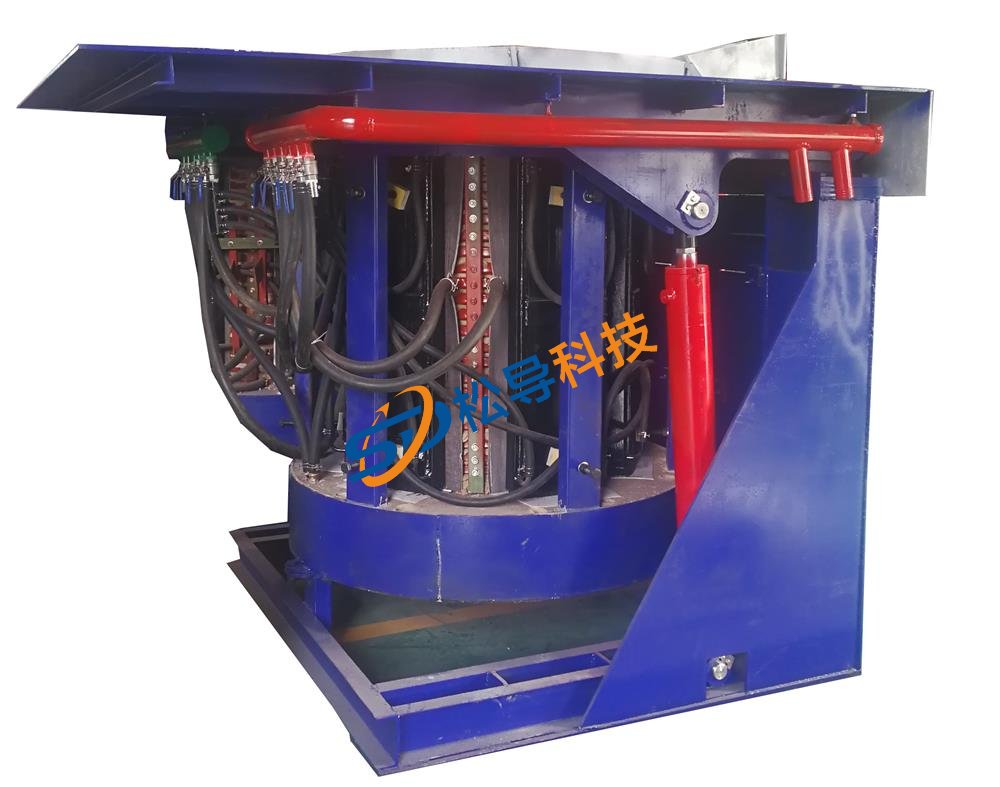
1T Induction Melting Furnace
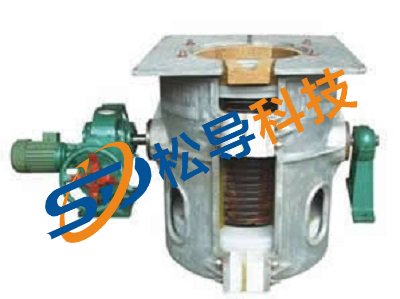
500kg Induction Melting Furnace
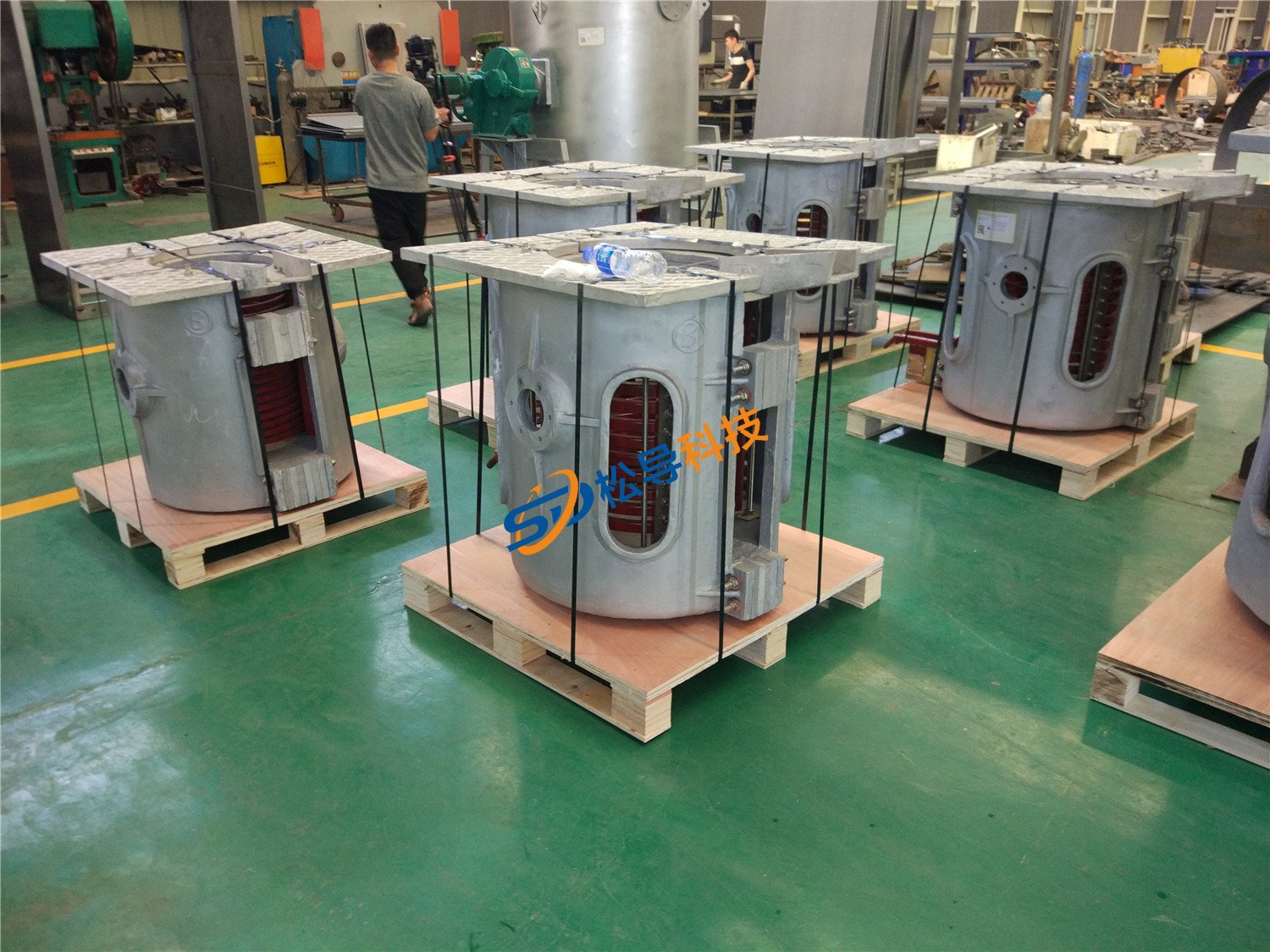
250kg Induction Melting Furnace
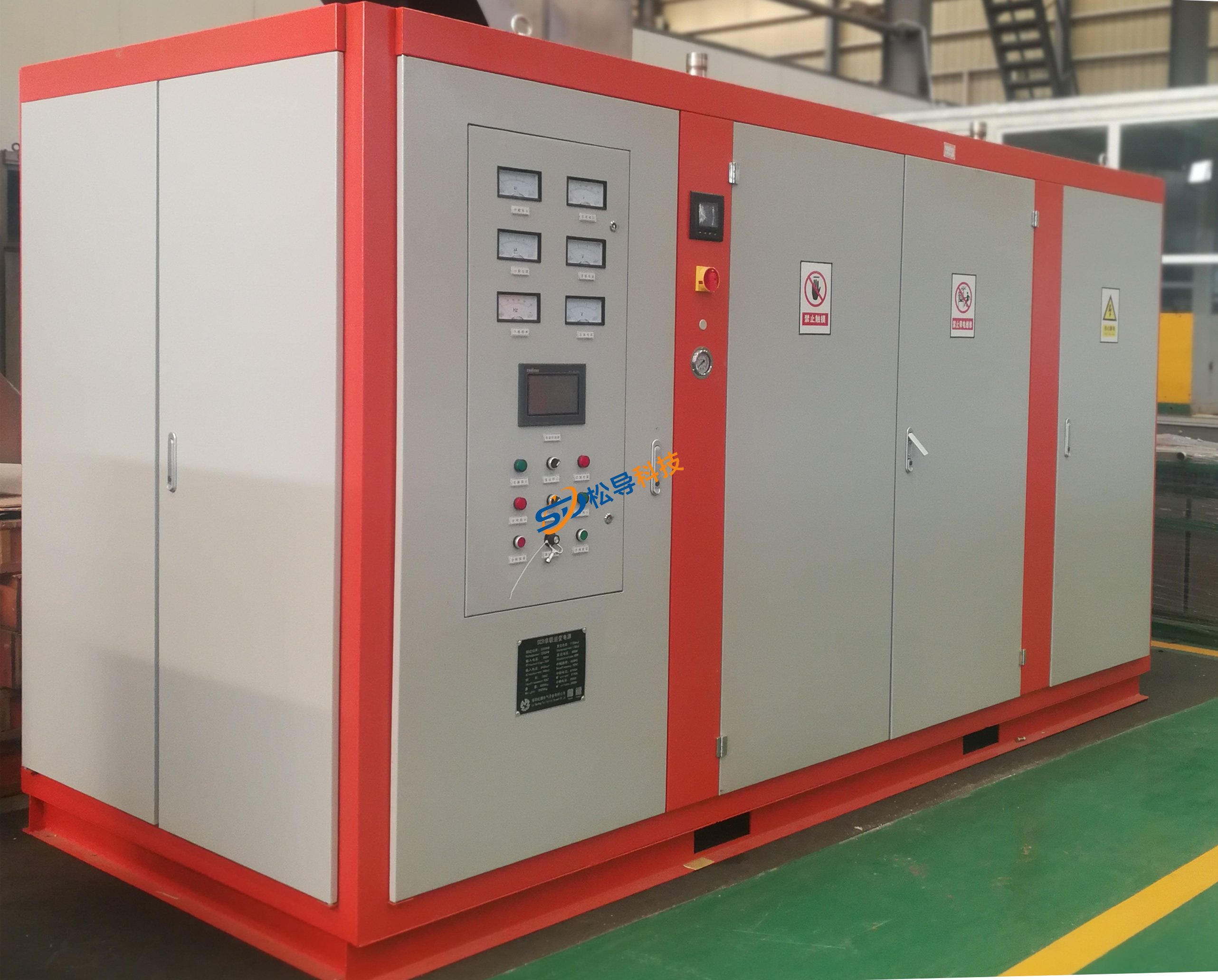
Induction Melting Furnace
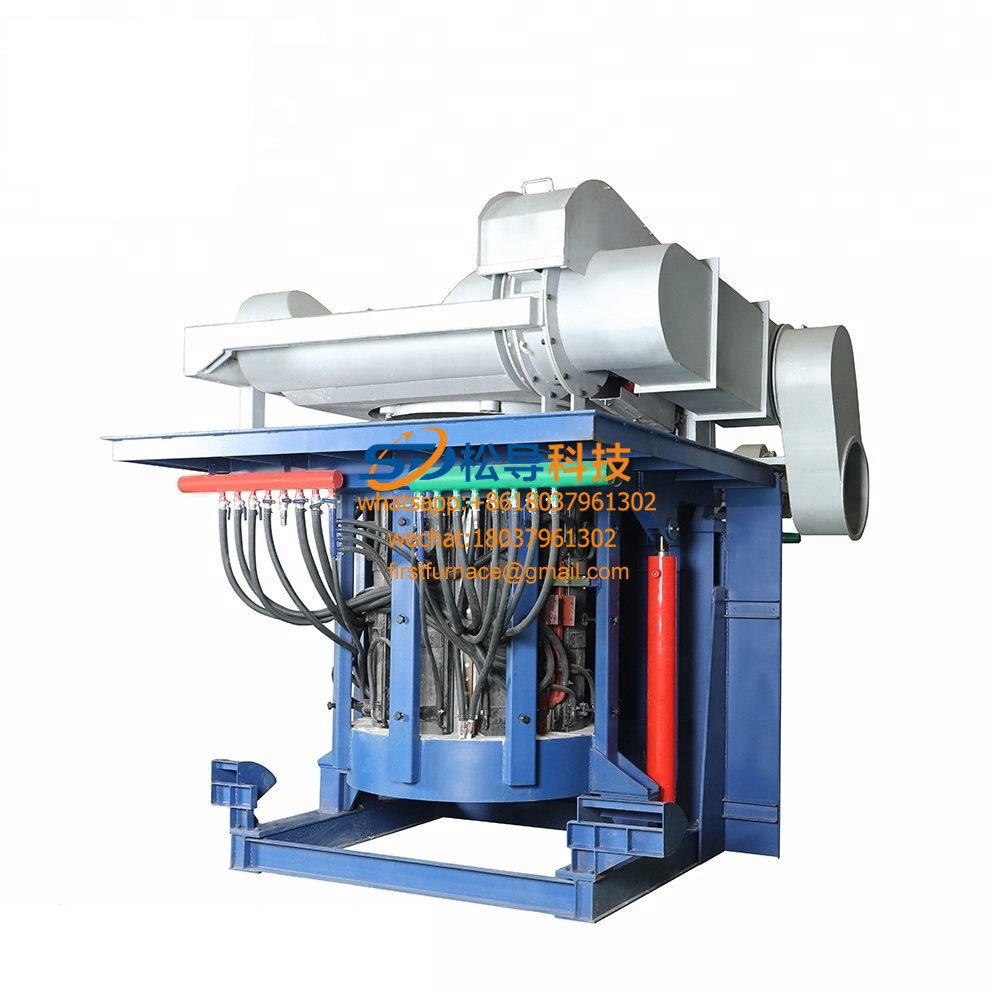
3 T Induction Melting Furnace
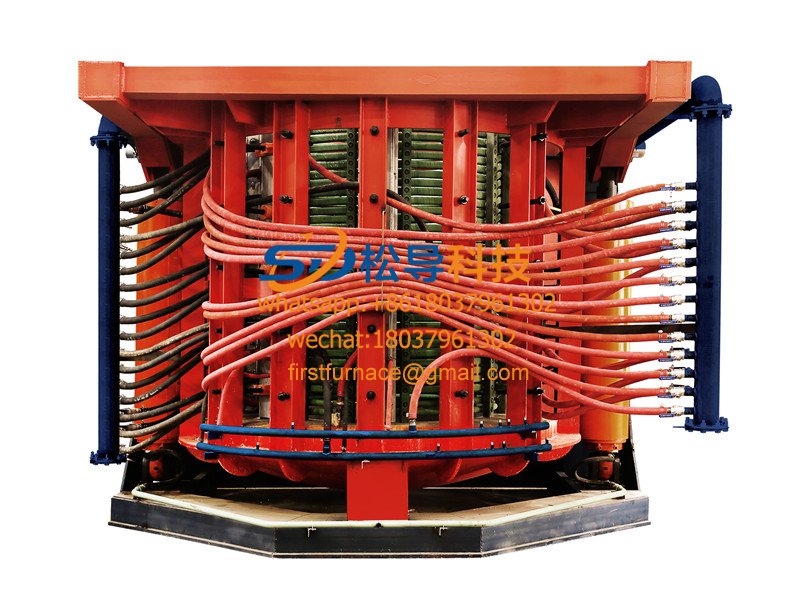
5T Induction Melting Furnace