Sales hot line ( 24 hours service): 18037961302
E-Mail: firstfurnace@gmail.com
whatsapp:+8618037961302
Adress: Luoxin Industrial Park, Luoyang, HenanLarge diameter steel pipe quen
Piston rod quenching and tempe
Grinding rod quenching and tem
High frequency induction heate
Quenching equipment for machin
Round steel end heating furnac
Steel pipe heat treatment prod
Square steel quenching and tem
Sucker rod quenching and tempe
Thickened petroleum steel pipe
Round steel quenching and temp
Steel pipe quenching and tempe
Steel plate quenching and temp
Induction Hardening Machine&nb
Flywheel ring gear high freque
Medium Frequency Induction Brazing: Working Principle, Advantages and Industrial Applications
Introduction to Medium Frequency Induction Brazing Technology
With the rapid development of modern manufacturing industries, the demand for efficient, reliable, and precise metal joining technologies continues to increase. Traditional brazing methods, such as flame brazing and furnace brazing, often face limitations in heating speed, energy efficiency, and process stability.
Medium frequency induction brazing is an advanced metal joining technology that uses electromagnetic induction to generate heat directly inside metal components. It provides fast heating, accurate temperature control, high energy efficiency, and excellent brazing quality, making it widely used in electrical manufacturing, power equipment, automotive components, and industrial machinery.
Unlike vacuum brazing systems, medium frequency induction brazing equipment does not require a vacuum chamber. The brazing process can be completed in a normal atmosphere or with protective gas, which reduces equipment investment and improves production flexibility.
Working Principle of Medium Frequency Induction Brazing Equipment
The working principle of medium frequency induction brazing equipment is based on electromagnetic induction and resistance heating.
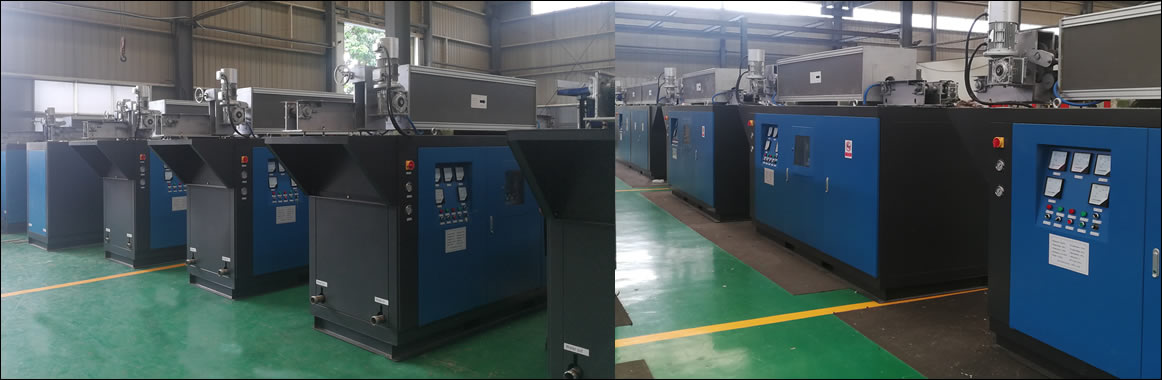
The system mainly consists of a medium frequency power supply, induction coil, cooling system, temperature monitoring system, and automatic control unit.
During operation, the power supply converts electrical energy into medium frequency alternating current and transfers it to the induction coil. When current flows through the coil, a changing electromagnetic field is created around the workpiece area.
When the conductive metal component is placed inside this electromagnetic field, an induced current is generated inside the material. This current, known as an eddy current, flows through the metal and creates heat due to the electrical resistance of the material.
The generated heat increases the temperature of the workpiece rapidly. When the temperature reaches the melting point of the brazing filler metal, the filler melts and flows into the joint area through capillary action.
After cooling, the filler metal forms a strong metallurgical bond between the components, creating a high-strength and reliable brazed joint.
The Role of Induction Heating Technology in Brazing
The core of medium frequency brazing is advanced induction heating technology. A professional induction heater provides a stable electromagnetic field and transfers energy directly into the metal workpiece.
Compared with conventional heating methods, an induction heater offers several advantages:
-Fast heating speed
-Precise temperature control
-Localized heating
-Reduced thermal impact
-Improved production efficiency
Because the heat is generated inside the workpiece itself, energy loss is significantly reduced. This allows manufacturers to achieve consistent brazing quality while lowering operating costs.
The same technology principle is also widely used in High Frequency Induction Brazing applications, especially where rapid heating and precise control are required.
Iron induction furnace
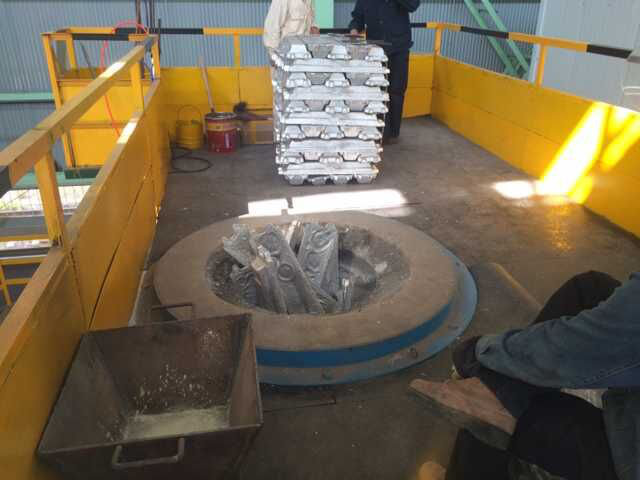
Aluminum melting furnace
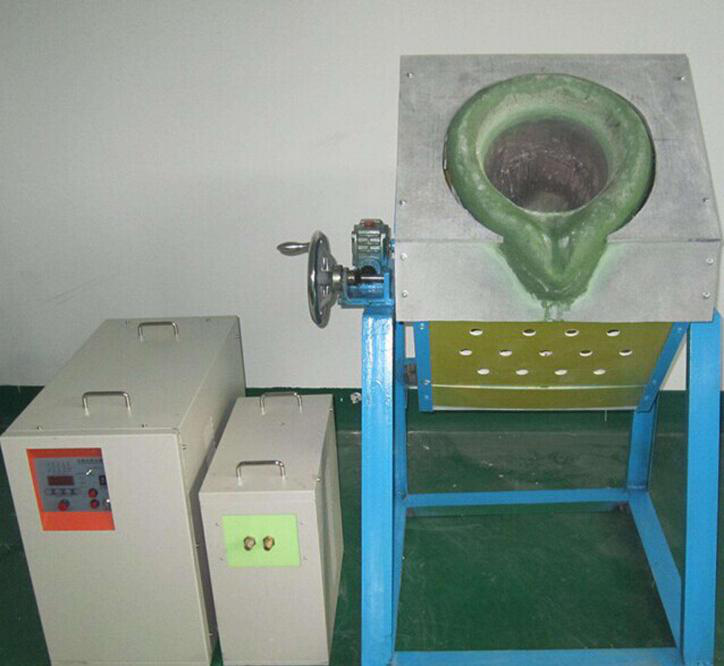
Copper melting furnace
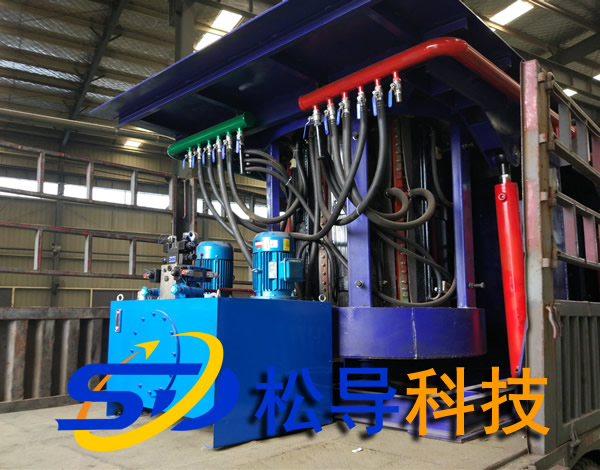
Small steel melting furnace
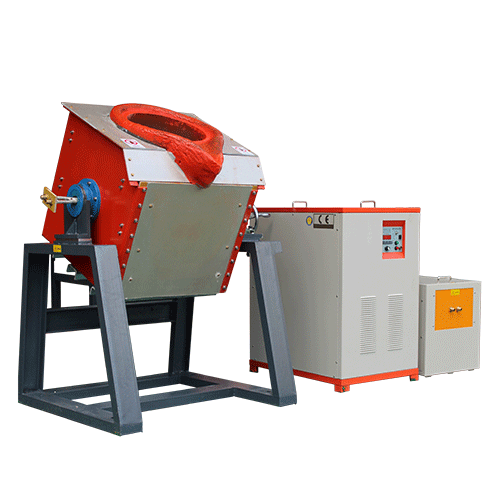
Small induction melting furnace
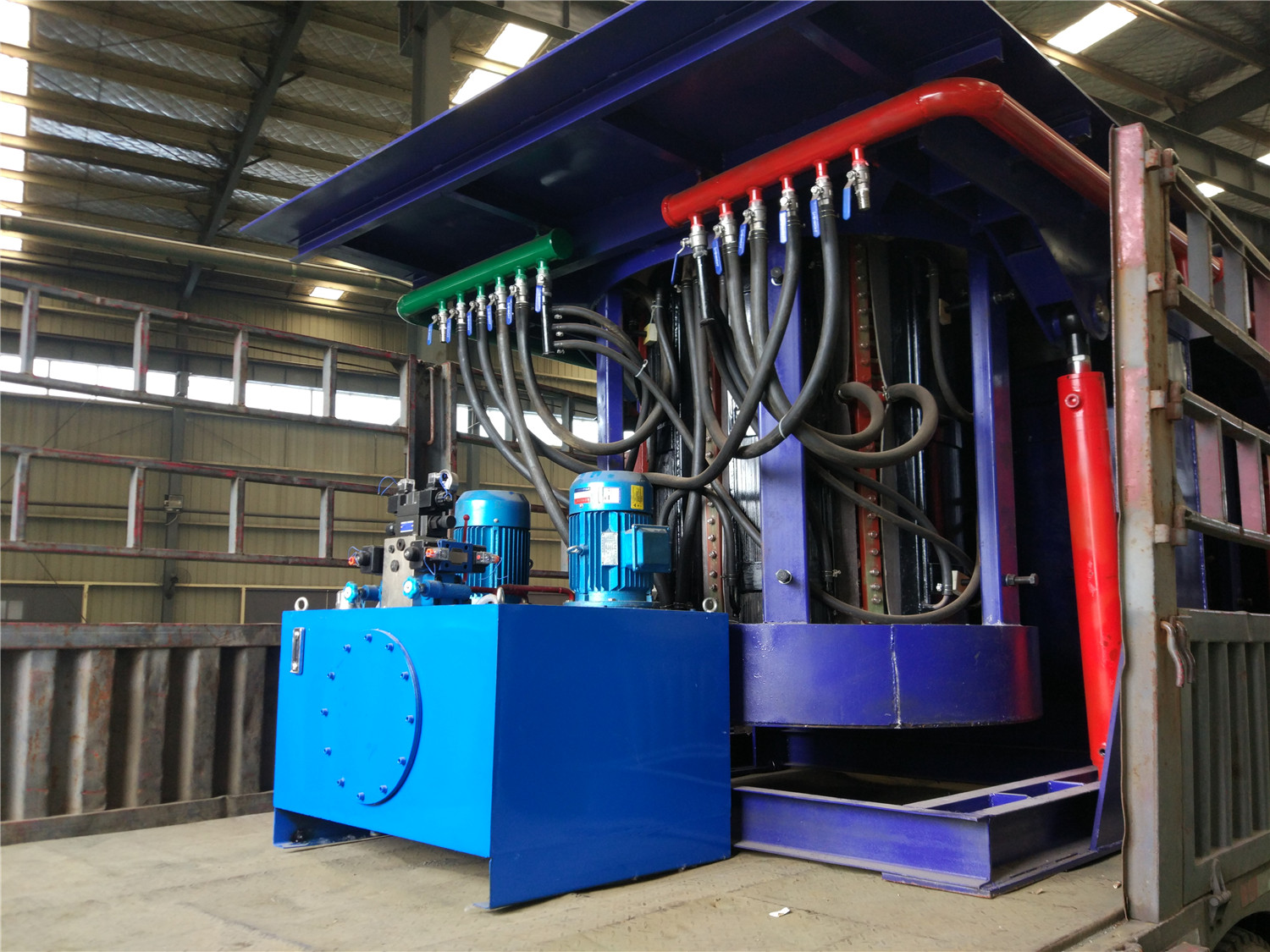
Induction iron furnace
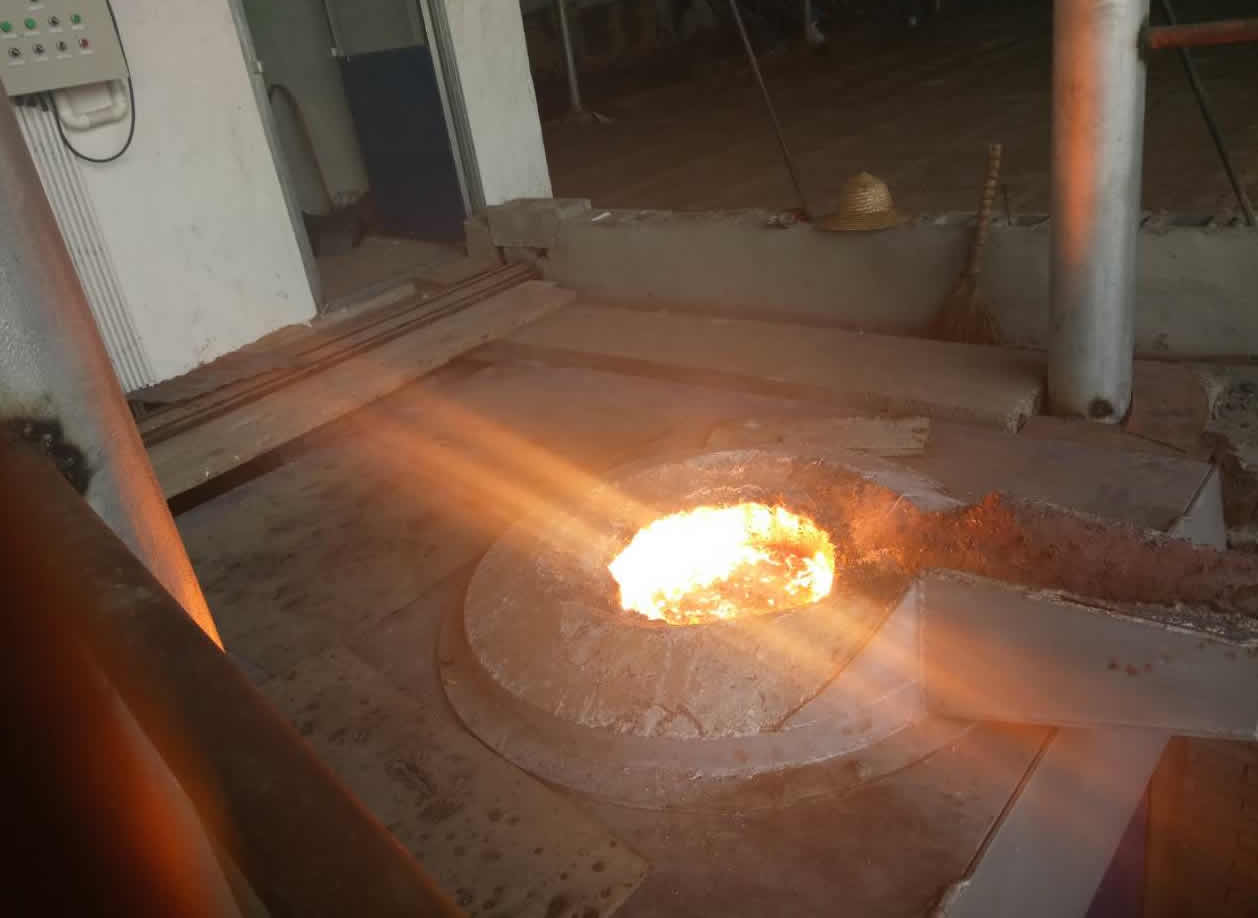
3T intermediate frequency iron melting f
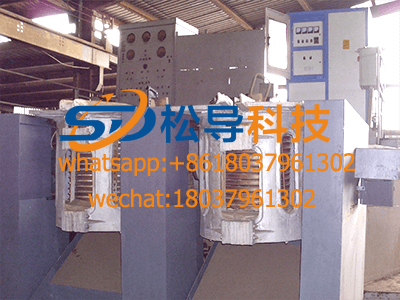
0.25T Intermediate Frequency Furnace
0.5T Intermediate Frequency Furnace
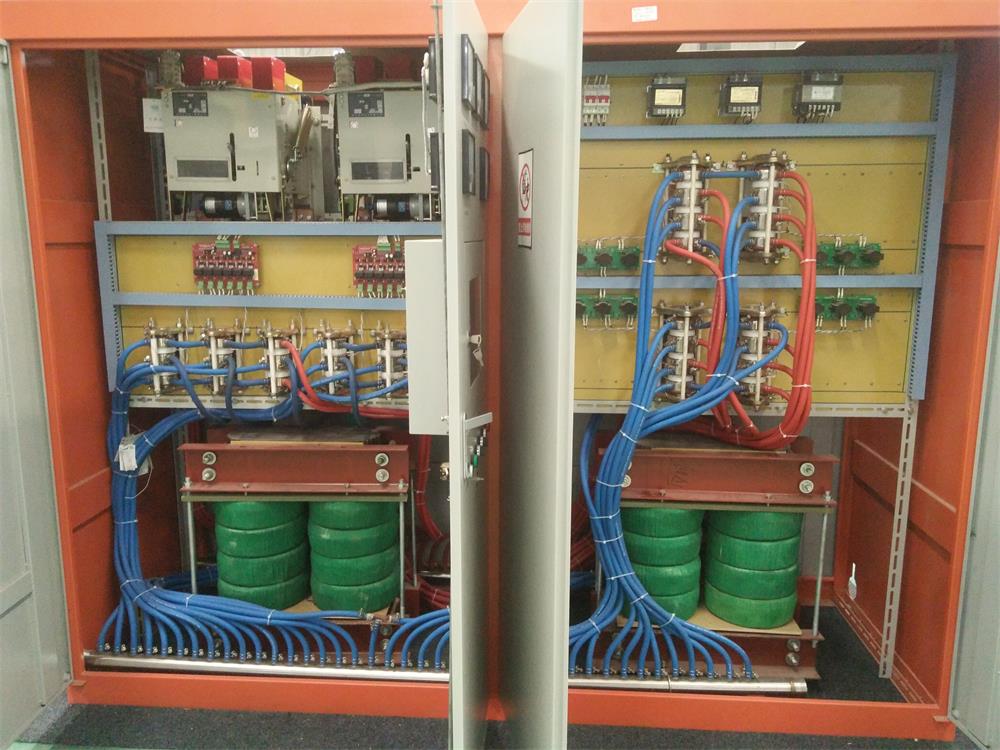
Medium Frequency Furnace

2T Induction Melting Furnace
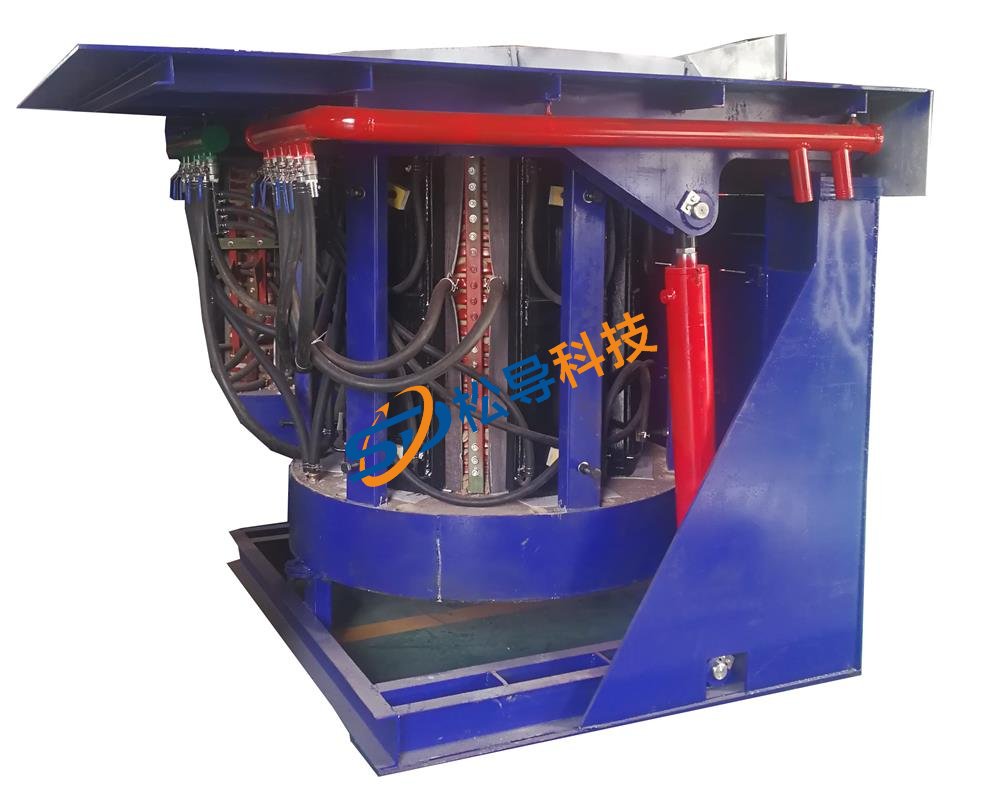
1T Induction Melting Furnace
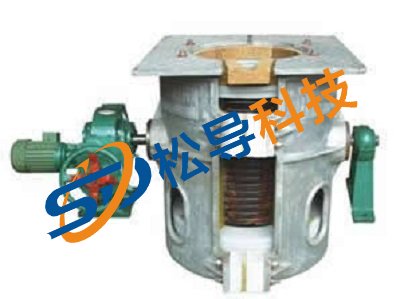
500kg Induction Melting Furnace
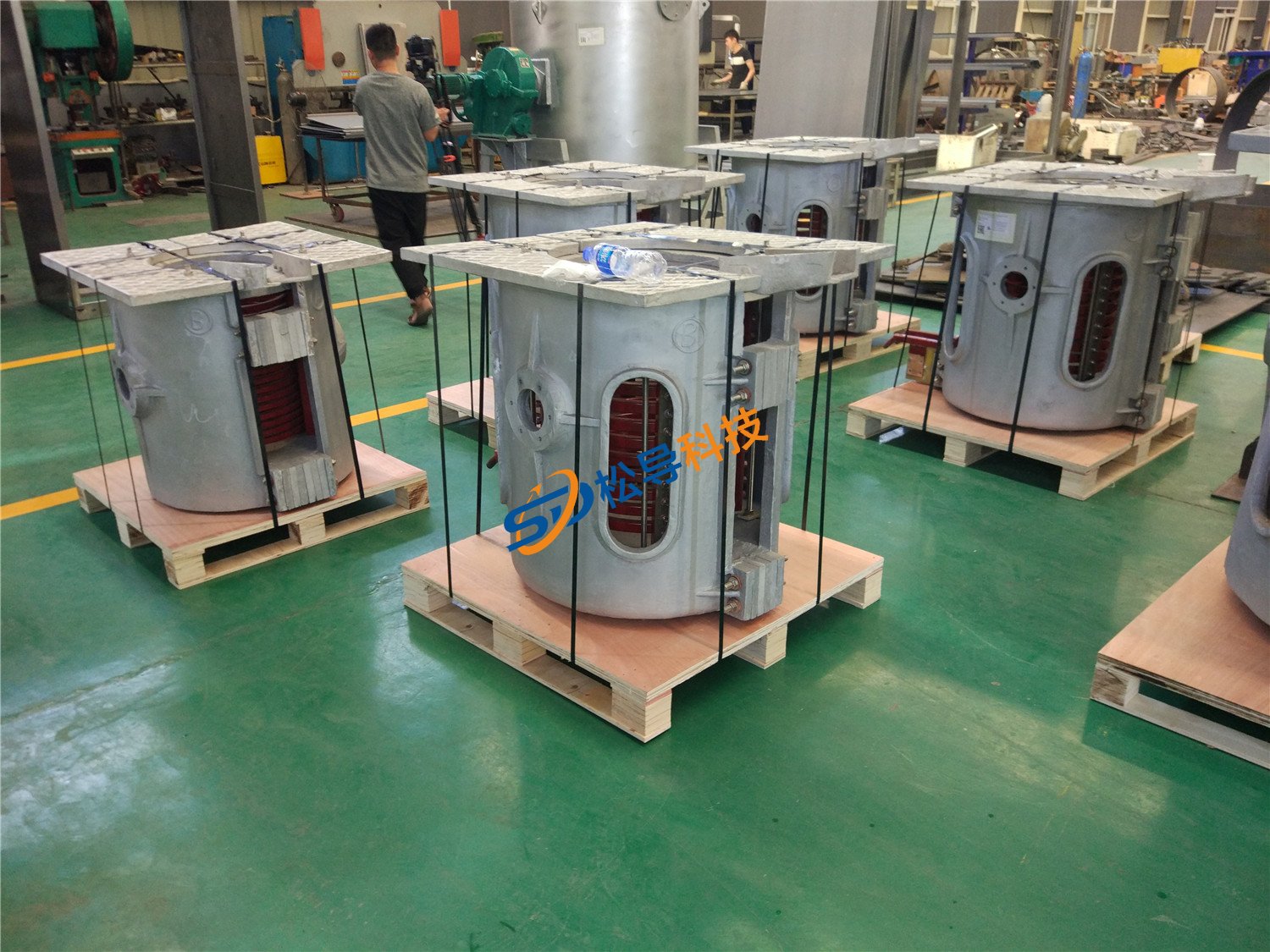
250kg Induction Melting Furnace
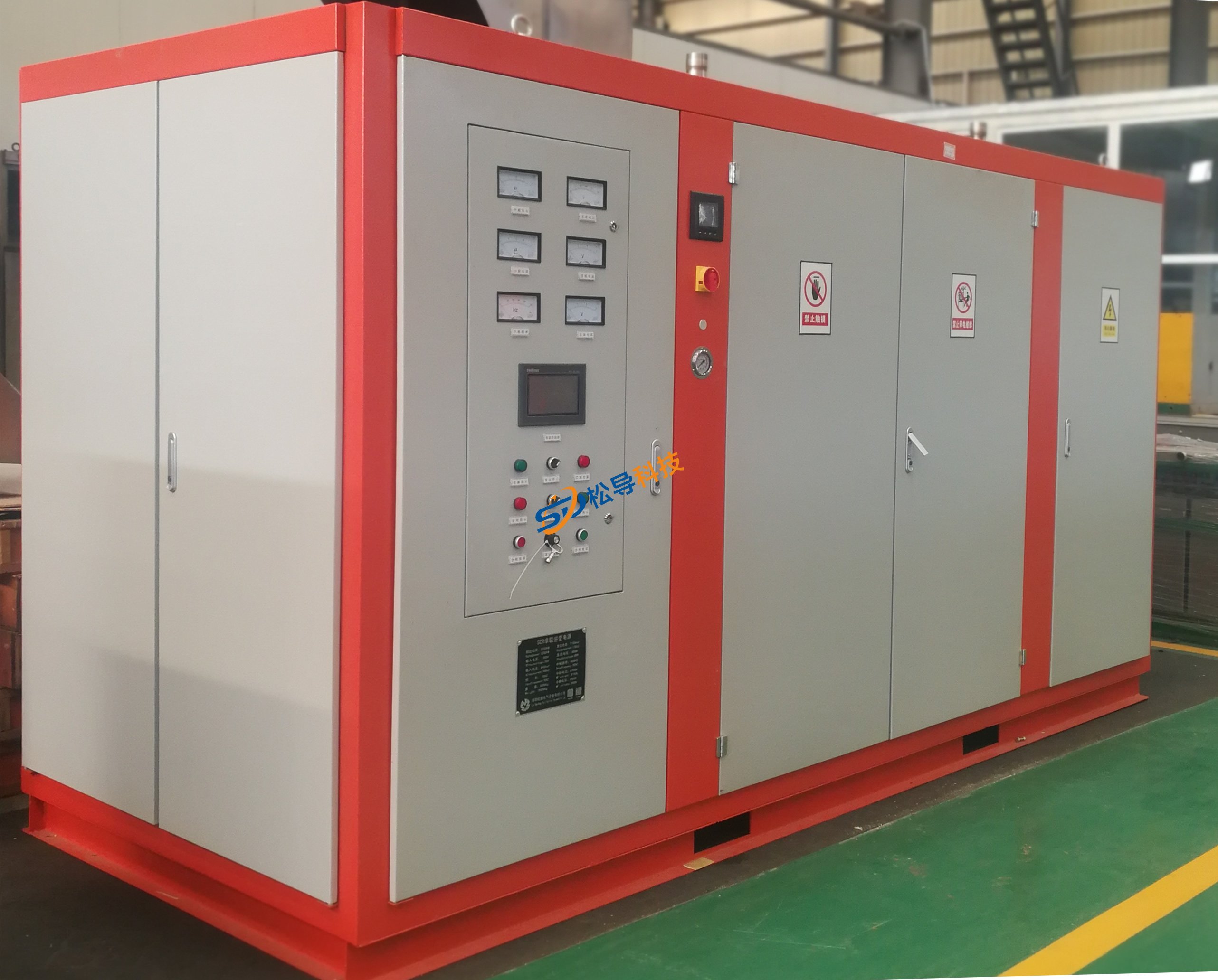
Induction Melting Furnace
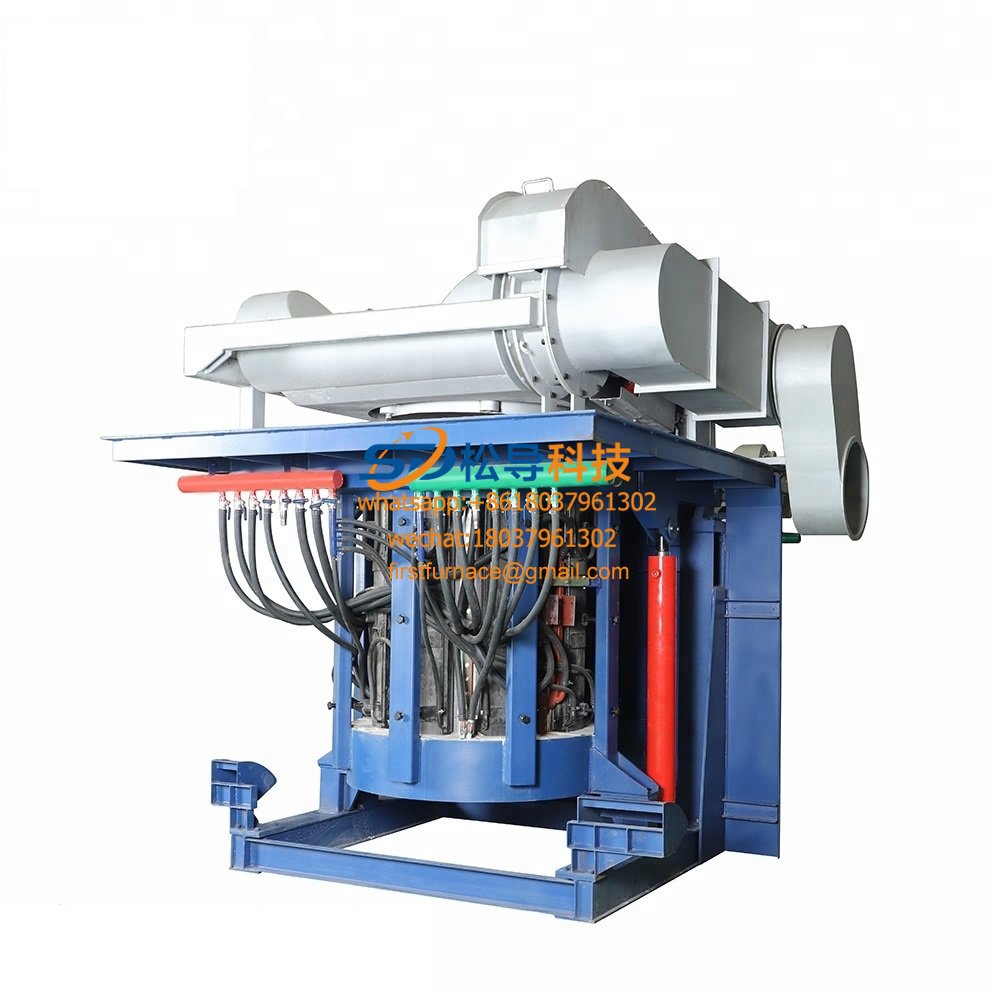
3 T Induction Melting Furnace
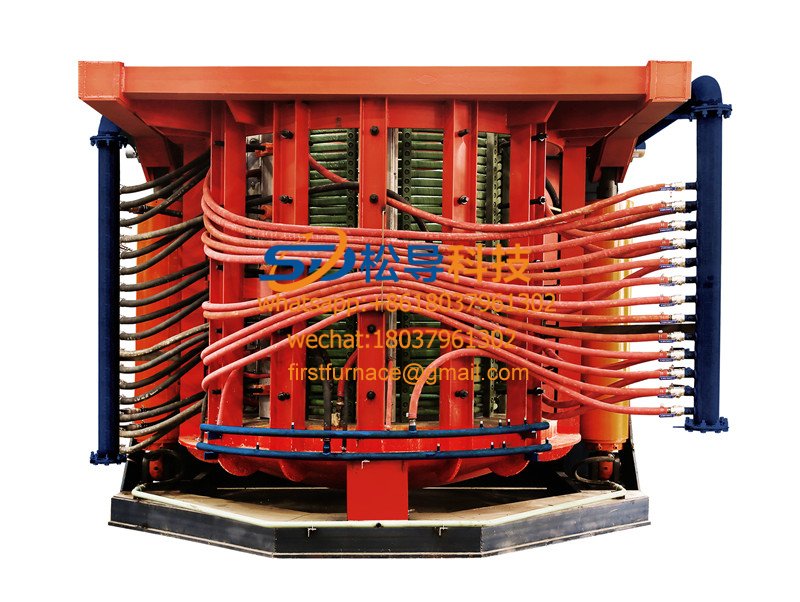
5T Induction Melting Furnace
1T One Belt Two Intermediate Frequency F

5T One Belt Two Intermediate Frequency F
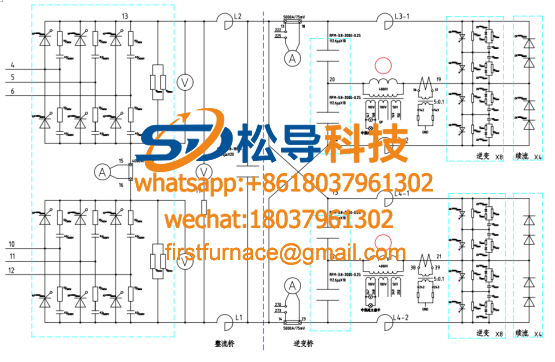
3T One Belt Two Intermediate Frequency F
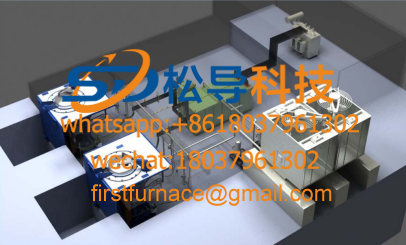
2T One Belt Two Intermediate Frequency F
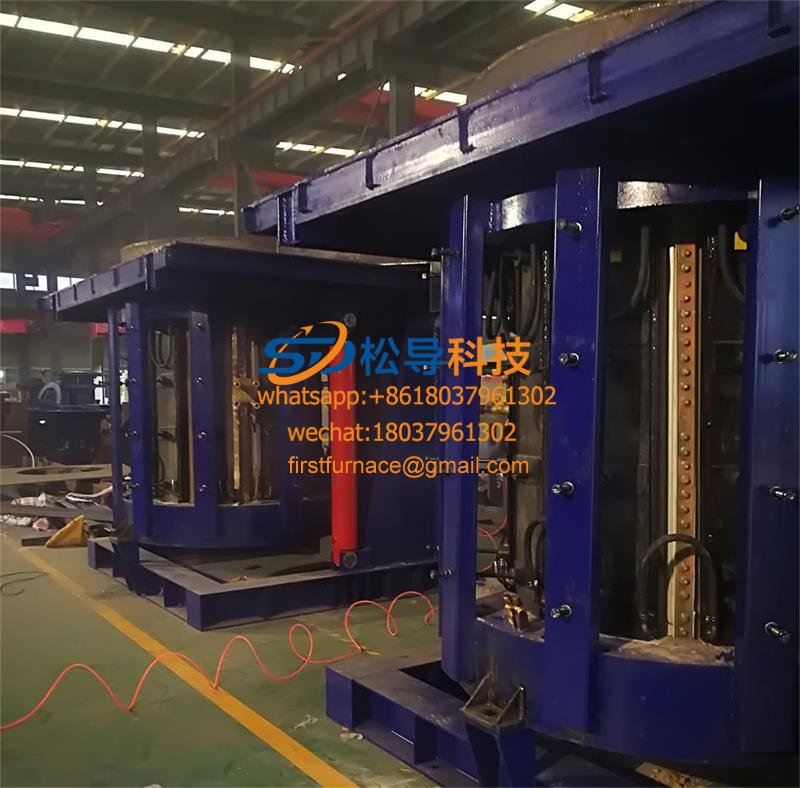
5T Parallel Intermediate Frequency Furna
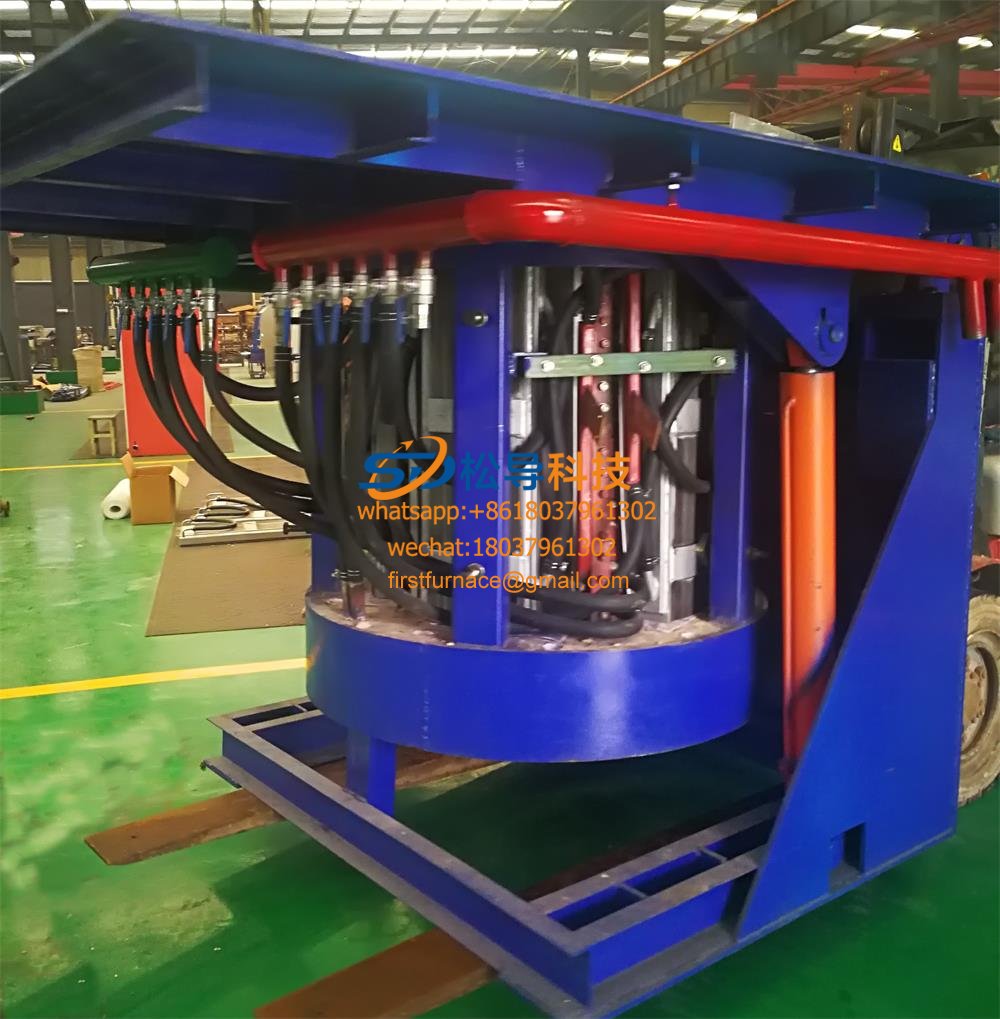
5T Intermediate Frequency Furnace

5T Series Intermediate Frequency Furnace
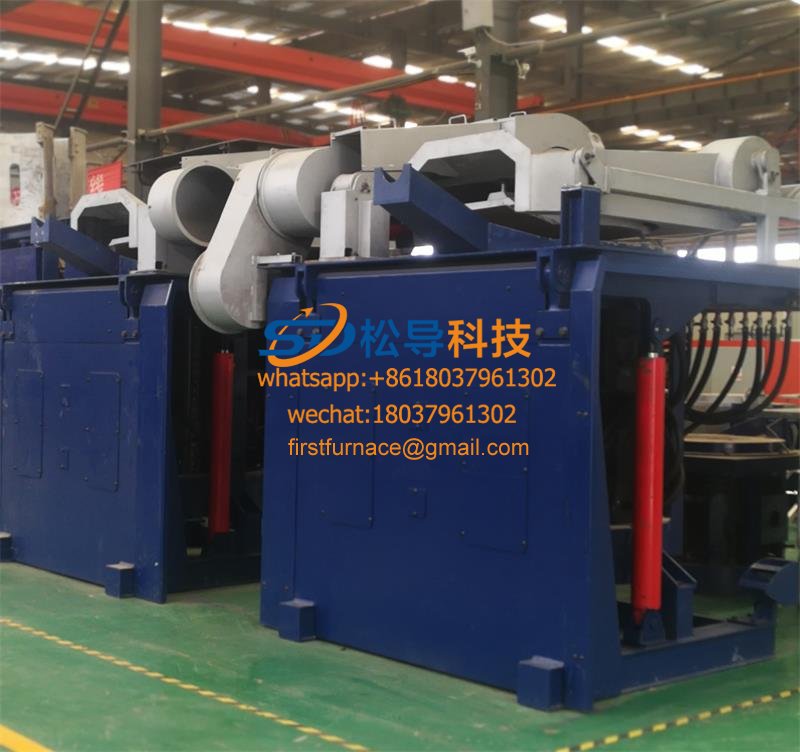
3T Series Intermediate Frequency Furnace
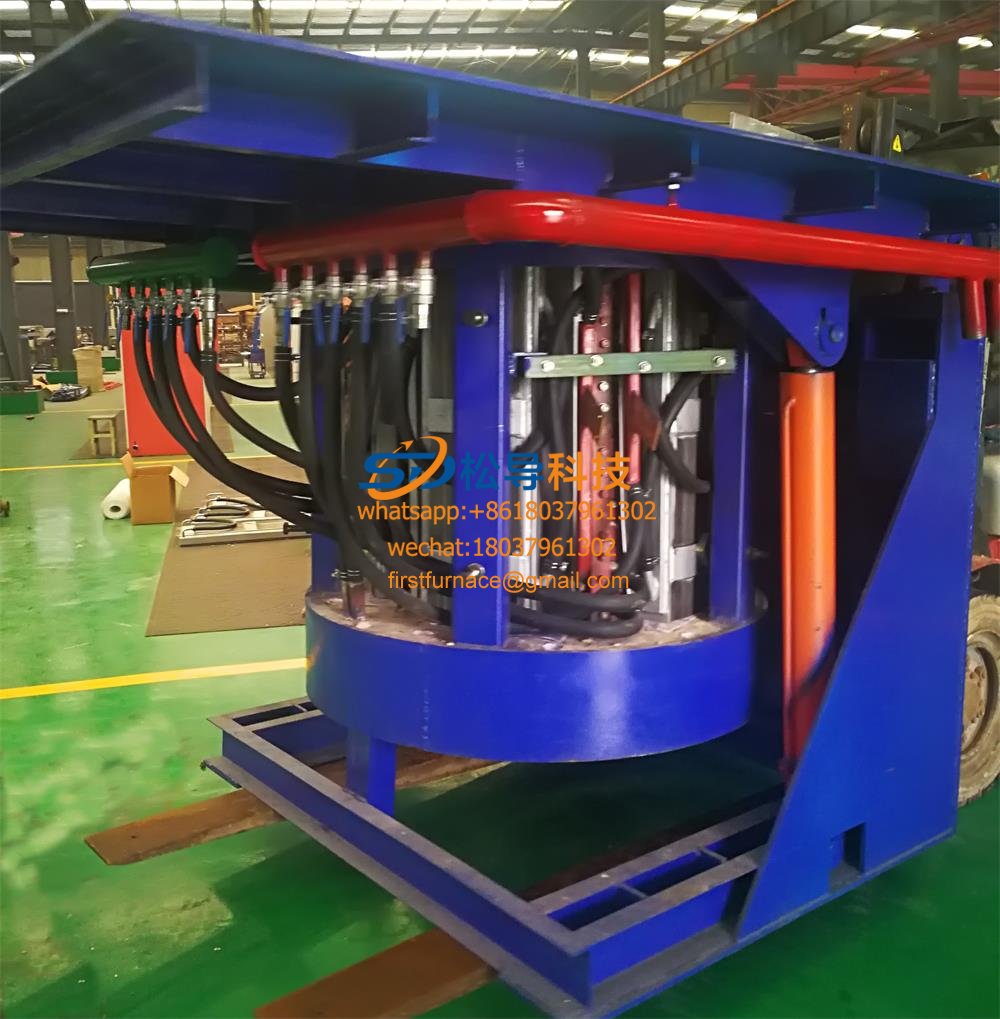
2T Series Intermediate Frequency Furnace
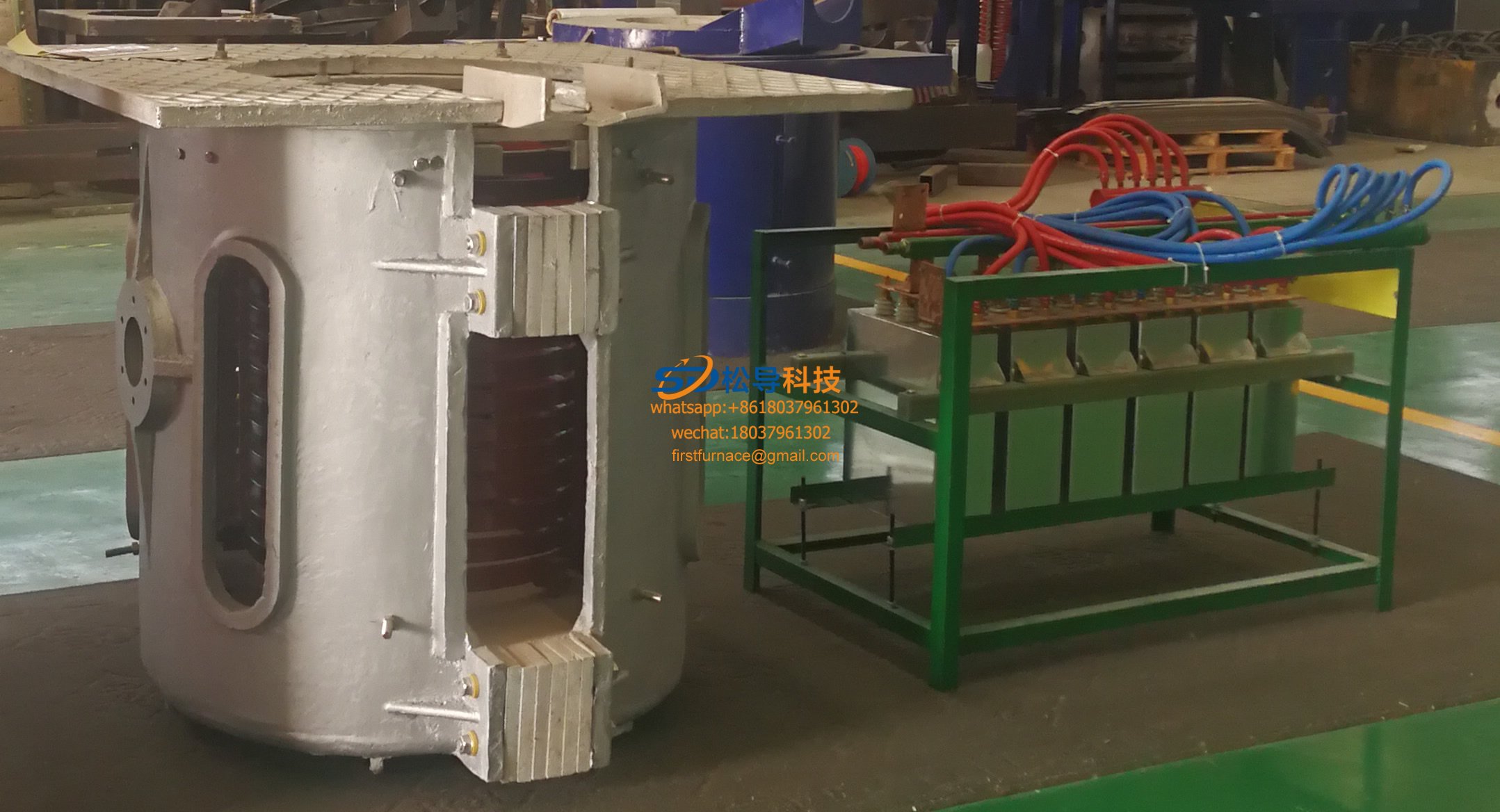
1T Series Intermediate Frequency Furnace
0.5T Series Intermediate Frequency Furna

0.25T Series Intermediate Frequency Furn
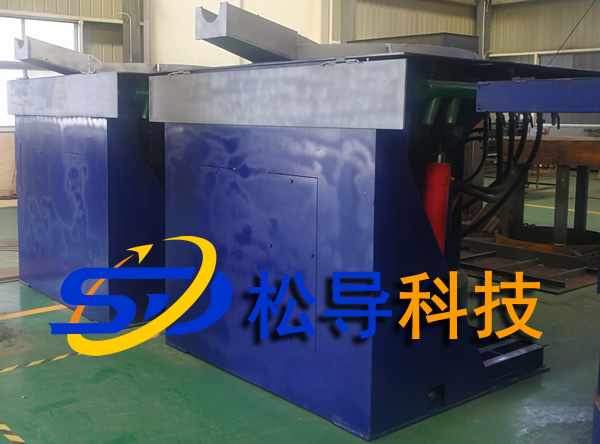
1T Parallel Intermediate Frequency Furna
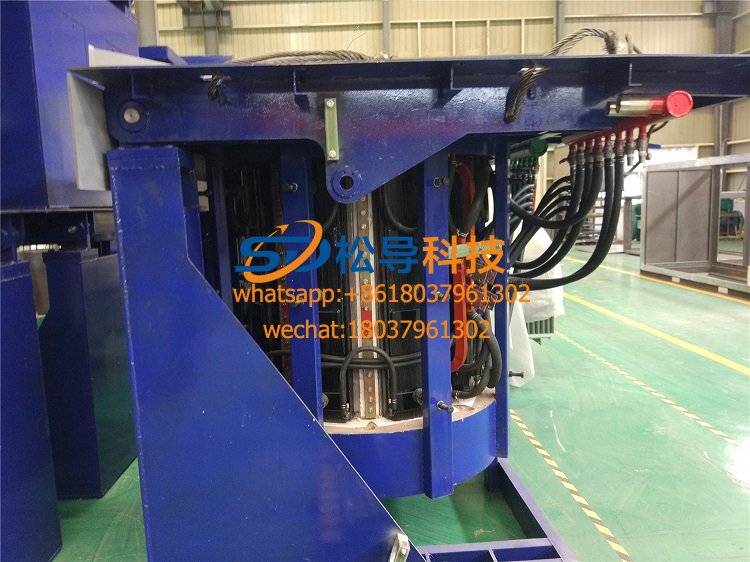
2T Parallel Intermediate Frequency Furna
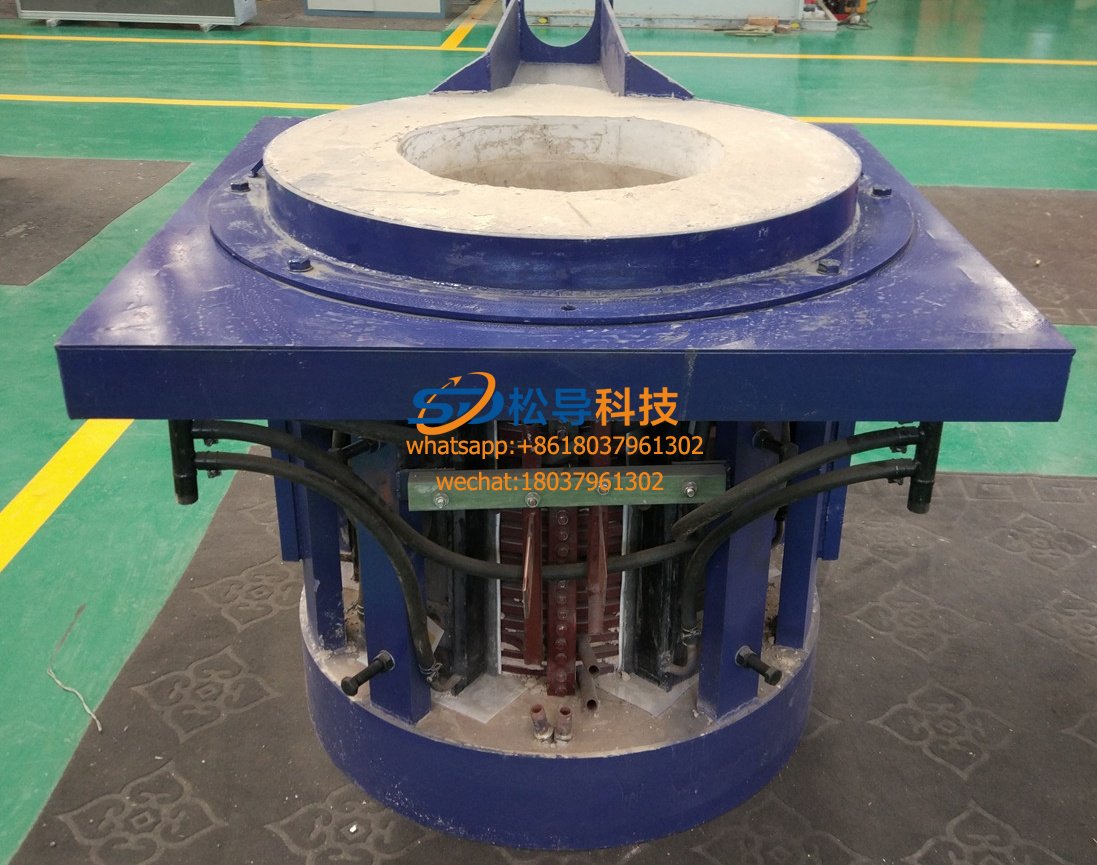
0.5T Parallel Intermediate Frequency Fur