Sales hot line ( 24 hours service): 18037961302
E-Mail: firstfurnace@gmail.com
whatsapp:+8618037961302
Adress: Luoxin Industrial Park, Luoyang, HenanLarge diameter steel pipe quen
Piston rod quenching and tempe
Grinding rod quenching and tem
High frequency induction heate
Quenching equipment for machin
Round steel end heating furnac
Steel pipe heat treatment prod
Square steel quenching and tem
Sucker rod quenching and tempe
Thickened petroleum steel pipe
Round steel quenching and temp
Steel pipe quenching and tempe
Steel plate quenching and temp
Induction Hardening Machine&nb
Flywheel ring gear high freque
High Frequency Induction Brazing
Introduction to High Frequency Induction Brazing Technology
High frequency induction brazing is an advanced metal joining technology that uses electromagnetic induction heating to achieve fast, precise, and reliable brazing results. With the increasing demand for efficient manufacturing processes, industries are continuously looking for cleaner and more accurate joining solutions to replace traditional heating methods.
Unlike conventional flame brazing, high frequency induction brazing generates heat directly inside the metal component through electromagnetic energy. This allows the workpiece to reach brazing temperature quickly while maintaining accurate temperature control and minimizing thermal damage to surrounding areas.
Modern high frequency induction brazing equipment is widely used in electrical manufacturing, automotive components, aerospace parts, refrigeration systems, copper connections, and power generation equipment.
The technology is also closely related to Medium Frequency Induction Brazing, where different frequency ranges are selected according to workpiece size, material characteristics, and heating depth requirements.
Working Principle of High Frequency Induction Brazing
The working principle of high frequency induction brazing is based on electromagnetic induction and the Joule heating effect.A complete high frequency induction brazing system usually includes:
 -High frequency induction power supply
-Induction coil
-Cooling system
-Temperature monitoring system
-PLC control system
-Customized brazing fixtures
During operation, the high frequency power supply converts electrical energy into high-frequency alternating current and sends it to the induction coil.
When current passes through the coil, it creates a rapidly changing electromagnetic field around the brazing area. When a conductive metal component is placed inside this magnetic field, an induced current is generated inside the workpiece.
This induced current, also known as eddy current, flows through the metal material and produces heat because of the electrical resistance of the material.
The generated heat increases the temperature of the workpiece rapidly. When the temperature reaches the melting point of the brazing filler metal, the filler material melts and spreads into the joint gap through capillary action.
After cooling, the filler metal forms a strong metallurgical connection between the base materials, creating a high-quality brazed joint.
The Role of Induction Heater in High Frequency Brazing

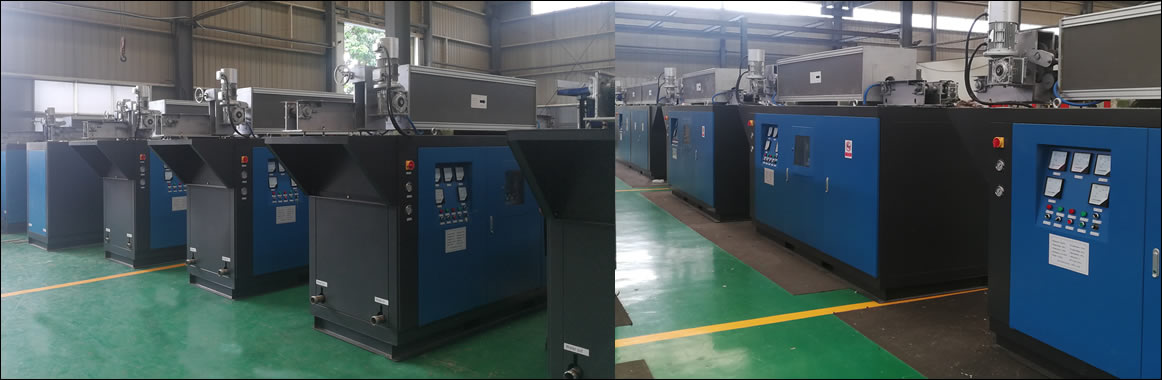
The core component of a high frequency brazing system is the induction heater, which provides controlled electromagnetic energy to heat metal components.
Compared with traditional heating methods, an induction heater offers several important advantages:
-Rapid heating speed
-Accurate temperature control
-Localized heating capability
-High energy efficiency
-Repeatable brazing performance
Because the heat is generated directly inside the metal, induction heating reduces unnecessary heat loss and improves overall production efficiency.
The heating area can be precisely controlled by adjusting:
-Frequency
-Power output
-Coil design
-Heating time
This makes high frequency induction brazing suitable for precision components that require strict temperature control.
What Is Non Vacuum High Frequency Induction Brazing?
Non Vacuum High Frequency Induction Brazing is a brazing process performed without a vacuum furnace environment.Unlike vacuum brazing systems, non vacuum induction brazing equipment works under normal atmospheric conditions or protective gas environments. This provides manufacturers with greater flexibility and lower equipment investment.The main advantages include:
-No requirement for vacuum chambers
-Lower equipment maintenance cost
-Faster production cycle
-Easier integration into automated production lines
-Suitable for large industrial applications
This technology is especially valuable for manufacturers producing electrical components, motors, generators, and copper-based assemblies.
Advantages of High Frequency Induction Brazing Equipment
1. Fast Heating and High Production Efficiency
One of the biggest advantages of high frequency induction brazing is its extremely fast heating capability. Since heat is generated directly inside the workpiece, there is no need to wait for external heat transfer. The brazing temperature can be reached within seconds, greatly improving production efficiency. This makes the technology suitable for:
-Mass production
-Automated manufacturing
-Continuous industrial processes
2. Precise and Uniform Heating
High frequency induction brazing provides excellent heating concentration. The induction coil can be specially designed according to the shape of the workpiece, ensuring that heat is applied exactly where it is needed. This helps prevent:
-Overheating
-Material deformation
-Damage to nearby components
The result is stable brazing quality and improved product reliability.
3. Energy Saving and Environmentally Friendly
Compared with traditional gas brazing, induction brazing has higher energy efficiency because electrical energy is converted directly into heat inside the workpiece. The process provides:
-Lower energy consumption
-No open flame
-Reduced pollution
-Safer working conditions
It is an ideal solution for modern green manufacturing.
4. Excellent Brazing Quality
High frequency induction brazing creates strong and consistent joints.
The controlled heating process ensures:
-Good filler metal flow
-Strong metallurgical bonding
-Excellent electrical conductivity
-Long service life
These advantages make it widely used in industries where reliability is critical.
Applications of High Frequency Induction Brazing
Motor Stator and Hydro Generator Brazing
High frequency induction brazing plays an important role in electrical equipment manufacturing. For motors and hydro generators, brazing connections require excellent electrical conductivity and mechanical strength. Typical applications include:
-Motor stator bar brazing
-Hydro generator winding connections
-Copper conductor brazing
-Electrical terminal joining
The precise heating characteristics of induction brazing help protect insulation materials and improve the reliability of electrical equipment.
Copper Tube and Heat Exchanger Brazing
High frequency induction brazing is widely used in refrigeration and heat exchanger industries. Applications include:
-Copper pipe joints
-Air conditioning systems
-Refrigeration equipment
-Heat exchanger assemblies
The technology provides clean joints, fast processing speed, and excellent production consistency.
Automotive and New Energy Applications
With the rapid development of electric vehicles and renewable energy systems, induction brazing technology is increasingly used for:
-Battery components
-Copper busbars
-Electric motor parts
-Power electronic components
The precise heating process helps manufacturers achieve reliable connections while protecting sensitive components.
High Frequency Induction Brazing vs Traditional Brazing Methods
Traditional brazing methods often rely on flame heating, which can result in uneven temperature distribution and inconsistent quality. High frequency induction brazing provides several improvements:
|
Traditional Brazing |
High Frequency Induction Brazing |
|
External heat source |
Internal electromagnetic heating |
|
Slower heating speed |
Rapid heating |
|
Less temperature control |
Precise temperature control |
|
Higher operator dependency |
Automated process control |
|
More heat loss |
Higher energy efficiency |
For modern industrial production, induction brazing provides a more reliable and efficient solution.
Future Development of High Frequency Induction Brazing Technology
With the development of intelligent manufacturing, high frequency induction brazing equipment is becoming more automated and intelligent. Future systems will integrate:
-Digital power control
-Automatic temperature monitoring
-Robot loading systems
-Production data tracking
-Smart process management
These technologies will further improve production efficiency and quality control. High frequency induction brazing will continue to play an important role in advanced manufacturing industries worldwide.
Conclusion
High frequency induction brazing is an advanced joining technology based on electromagnetic induction heating principles. By generating heat directly inside metal components, it achieves fast, accurate, and efficient brazing performance.
With advantages including high heating speed, precise control, energy saving, and excellent joint quality, high frequency induction brazing equipment has become an essential solution for modern industrial manufacturing.
From motor stator production and hydro generator manufacturing to automotive and electrical industries, Non Vacuum High Frequency Induction Brazing technology provides reliable and efficient metal joining solutions for global manufacturers.
Iron induction furnace
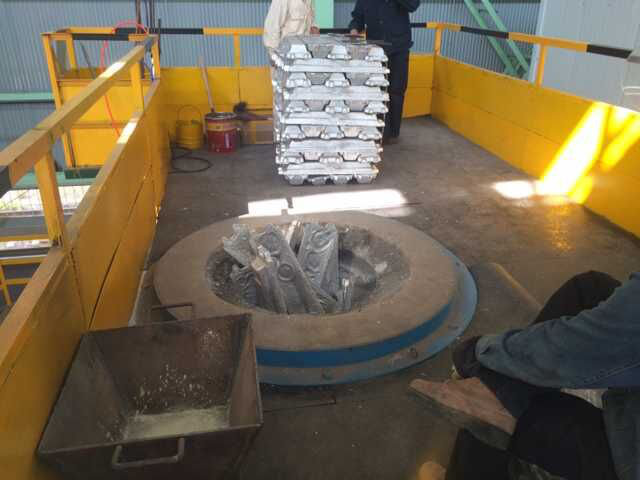
Aluminum melting furnace
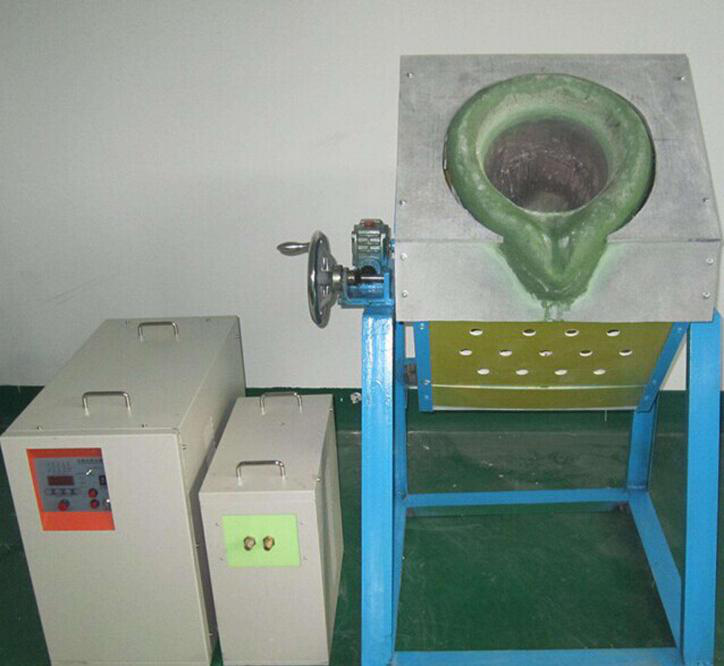
Copper melting furnace
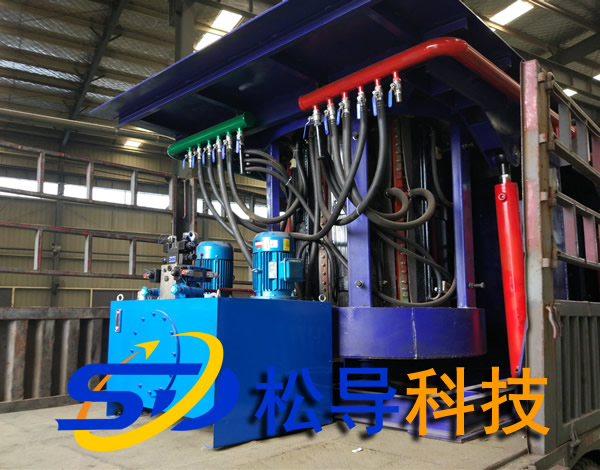
Small steel melting furnace
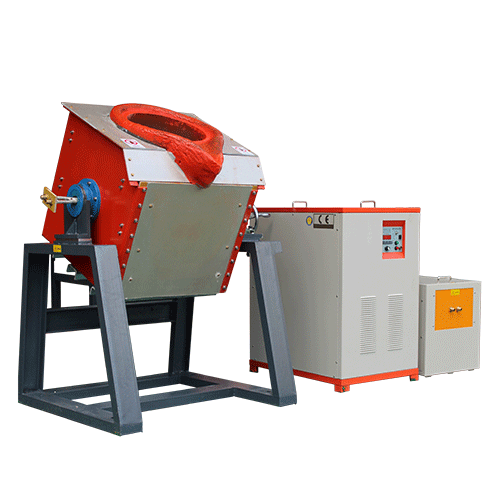
Small induction melting furnace
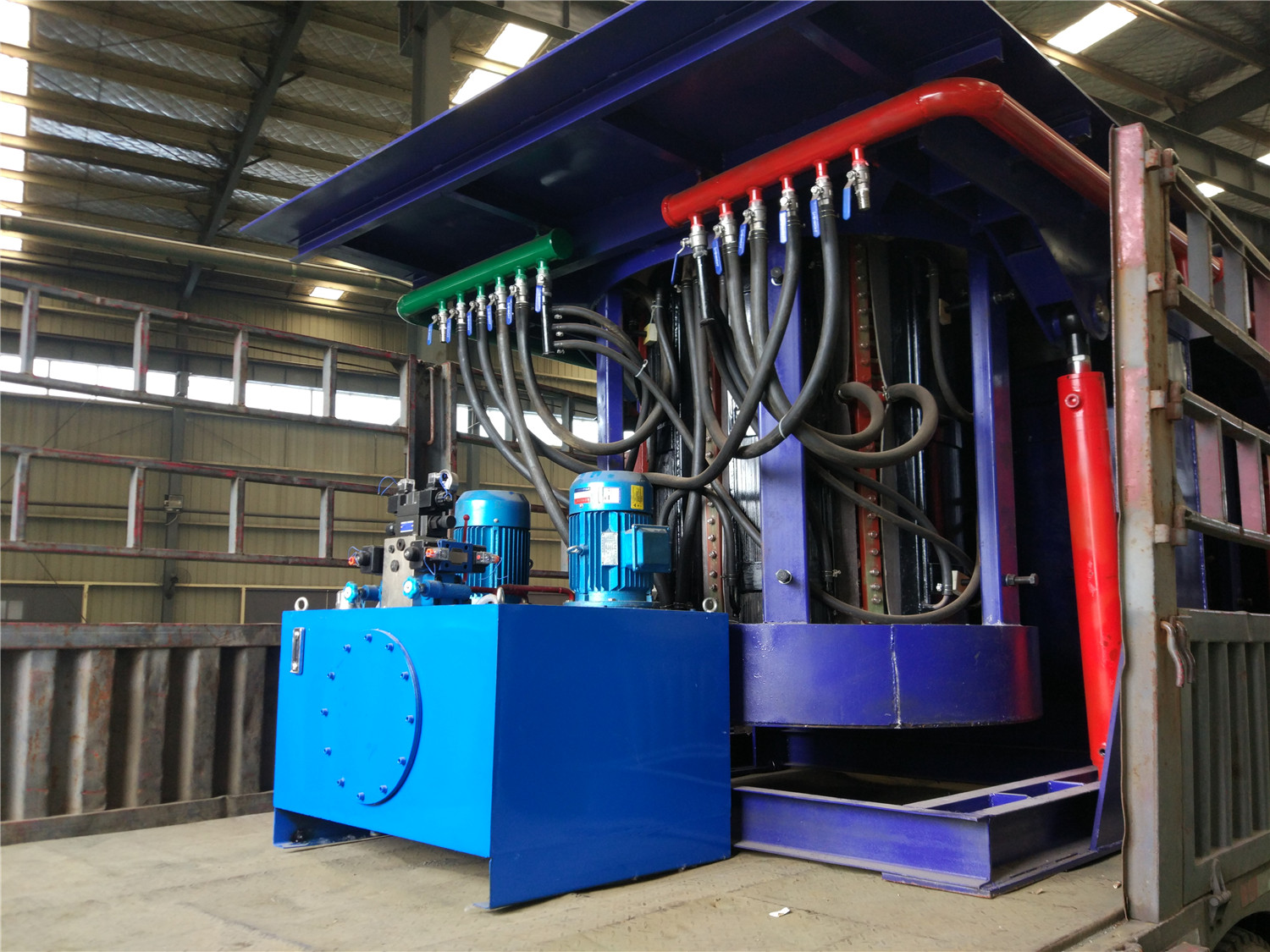
Induction iron furnace
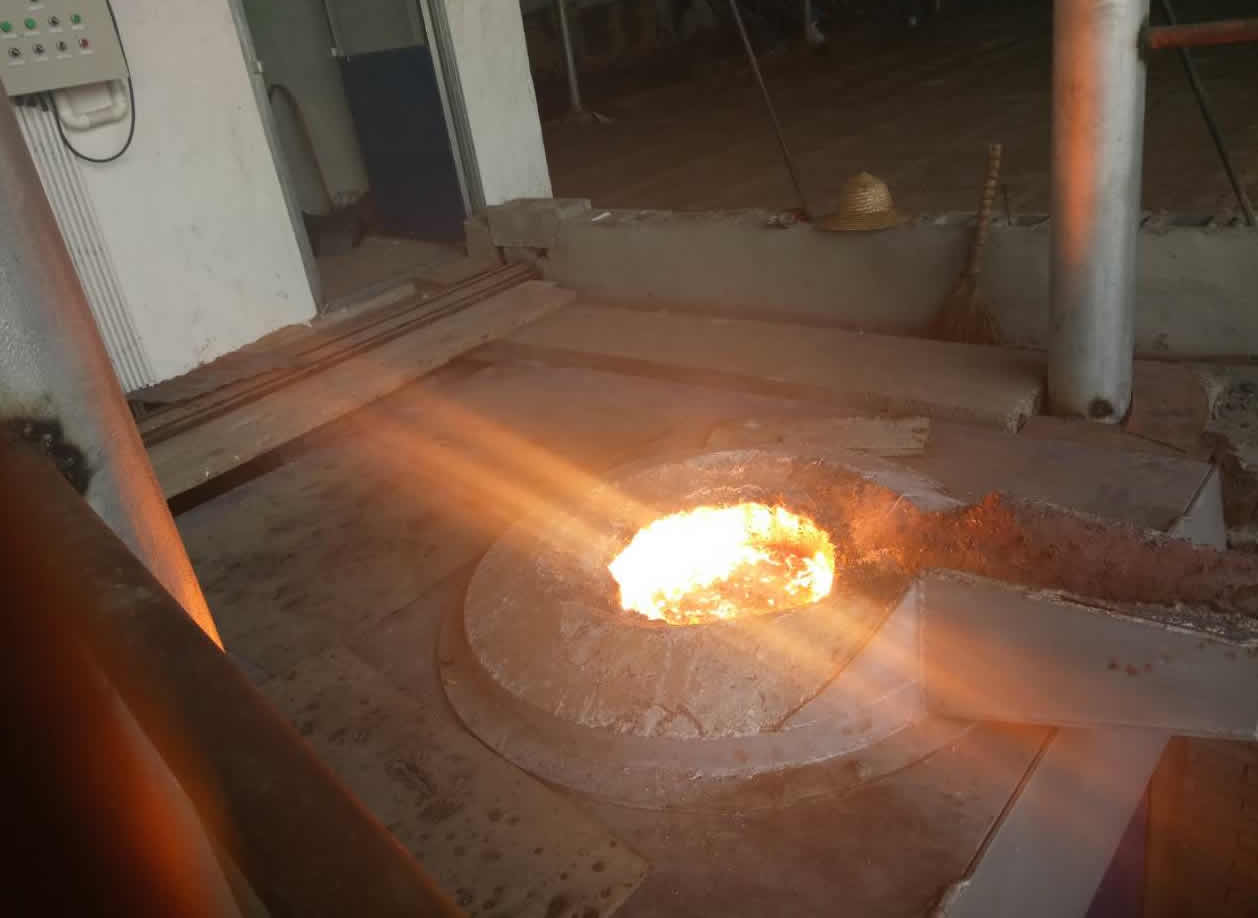
3T intermediate frequency iron melting f
0.25T Intermediate Frequency Furnace
0.5T Intermediate Frequency Furnace
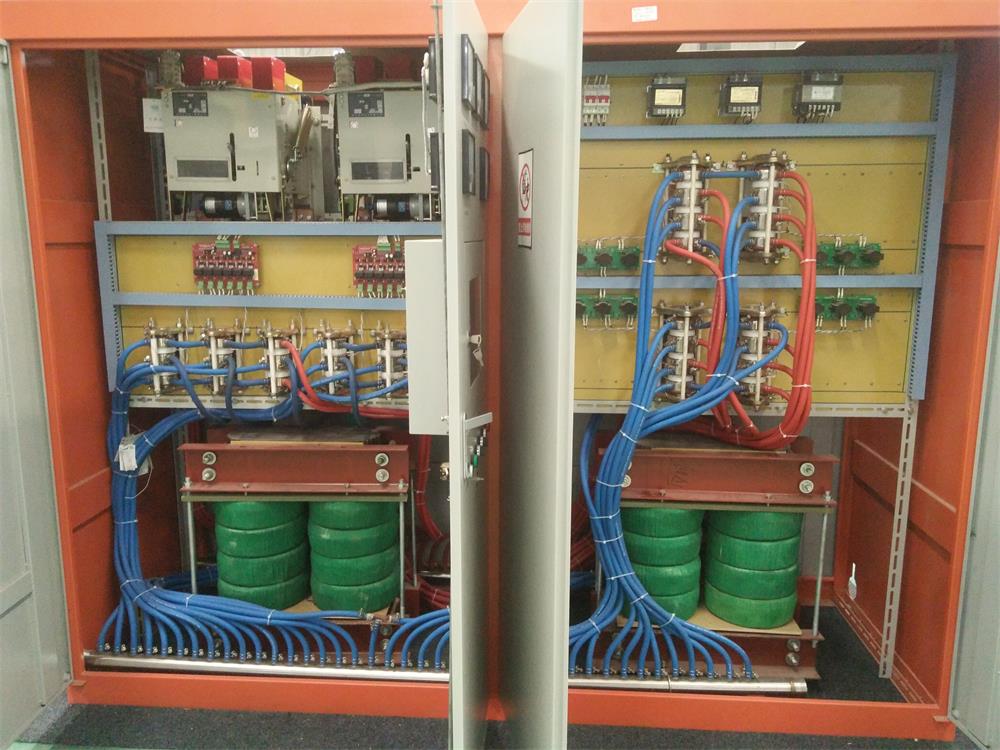
Medium Frequency Furnace

2T Induction Melting Furnace
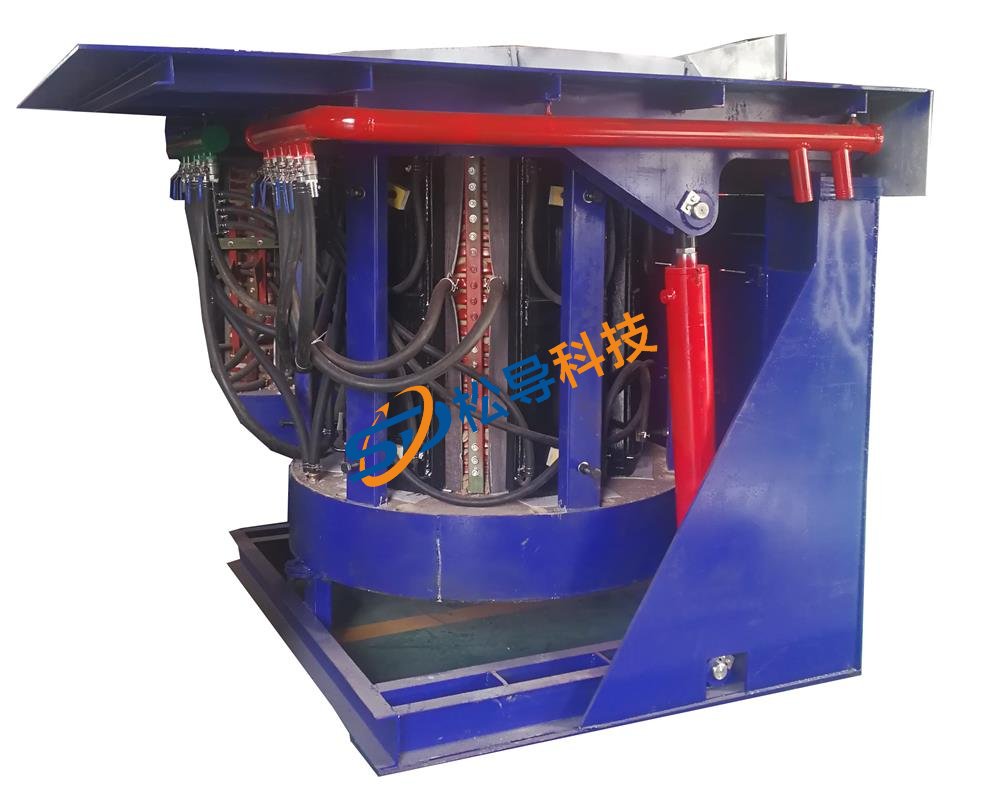
1T Induction Melting Furnace
500kg Induction Melting Furnace
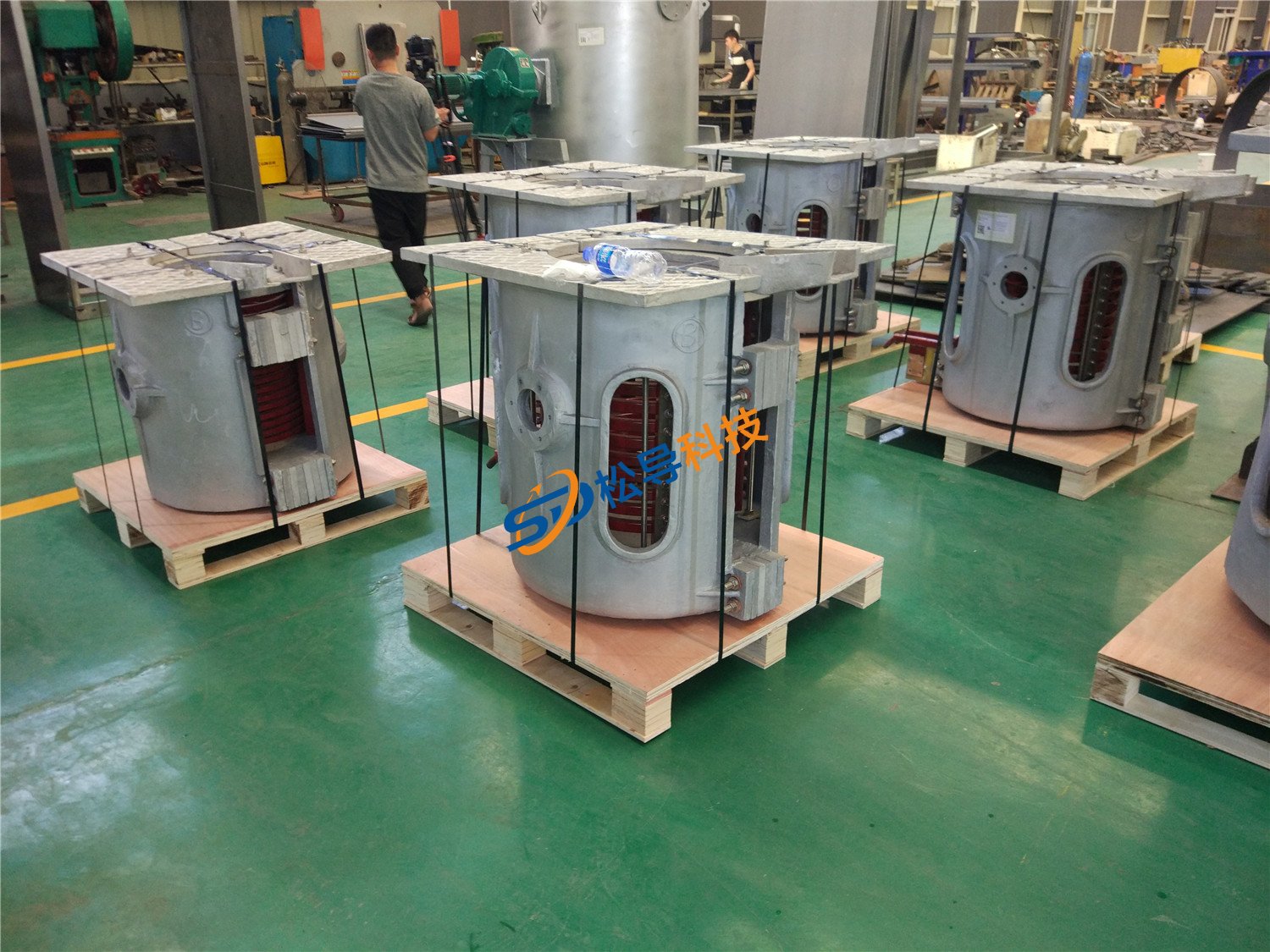
250kg Induction Melting Furnace
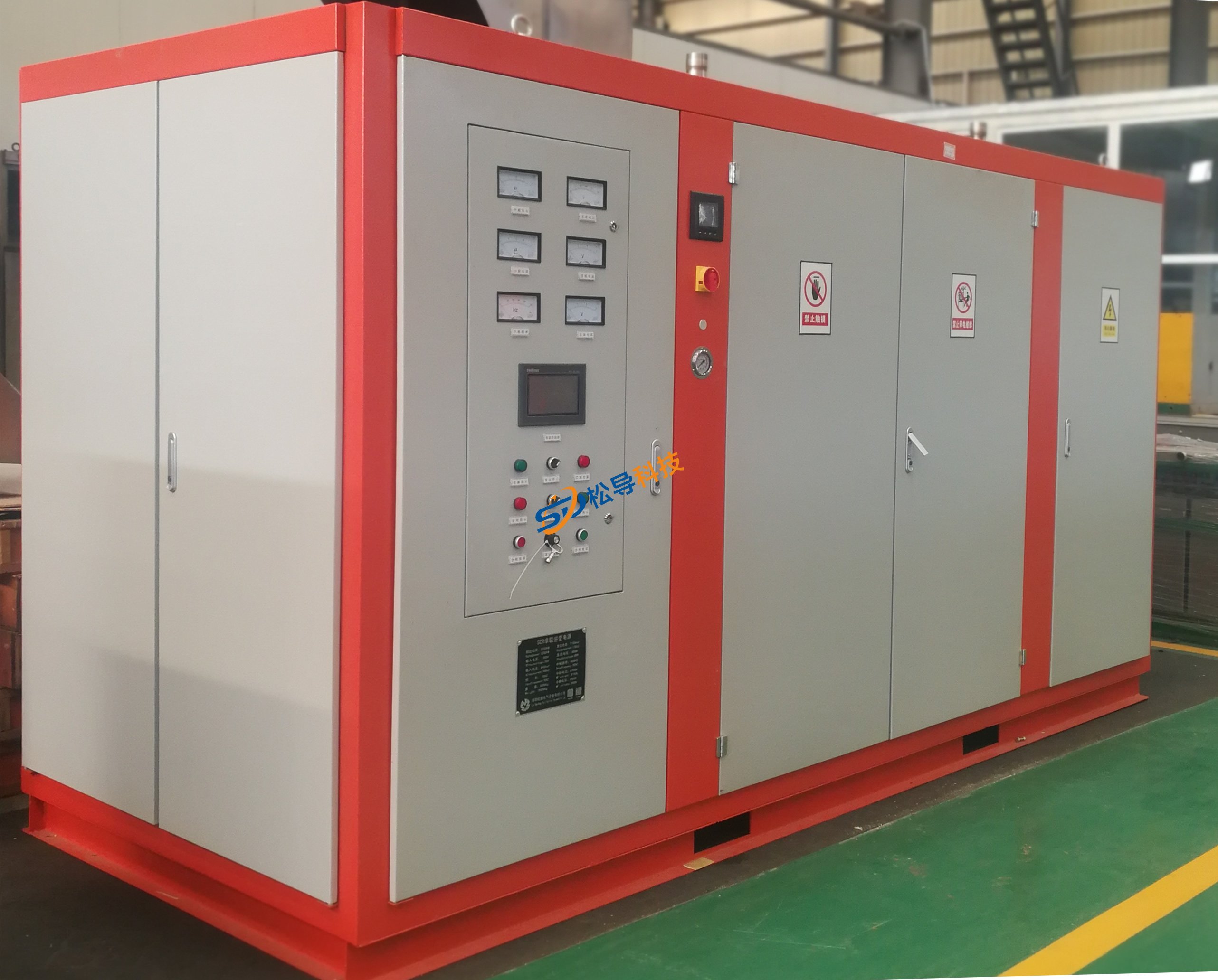
Induction Melting Furnace
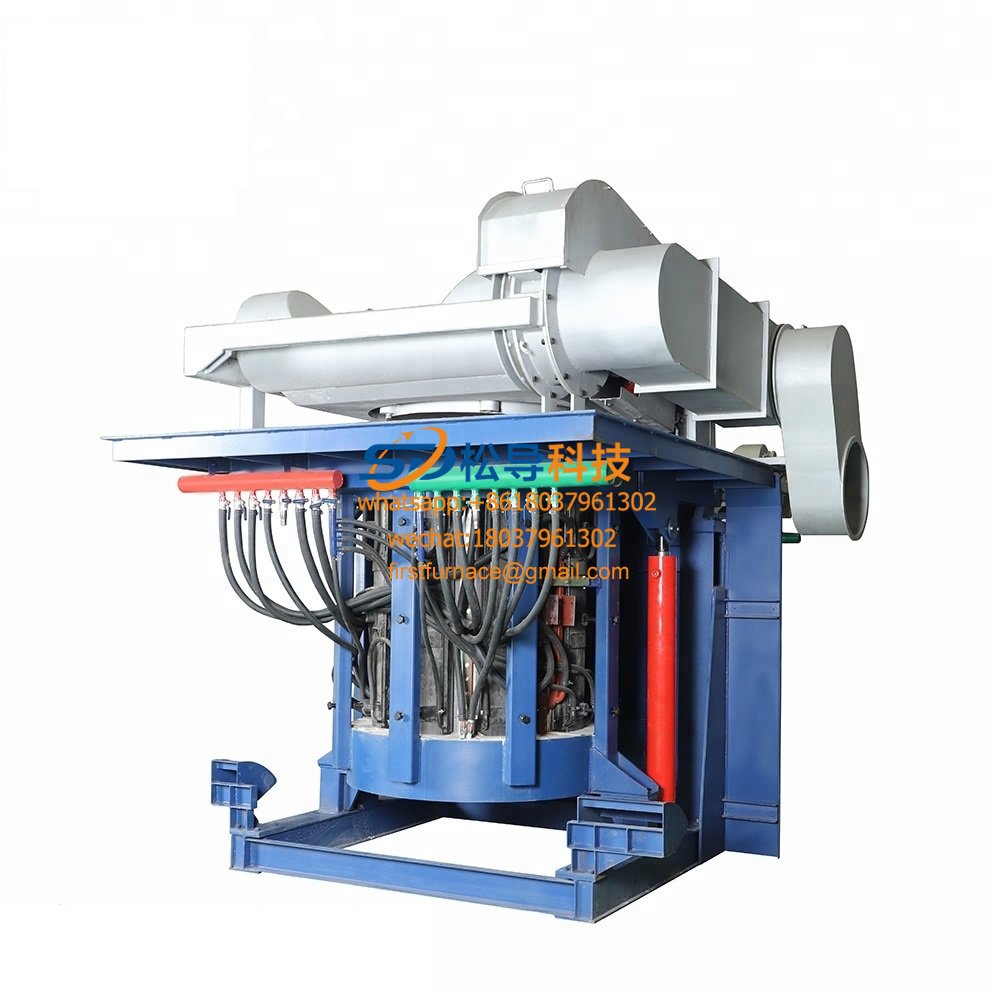
3 T Induction Melting Furnace
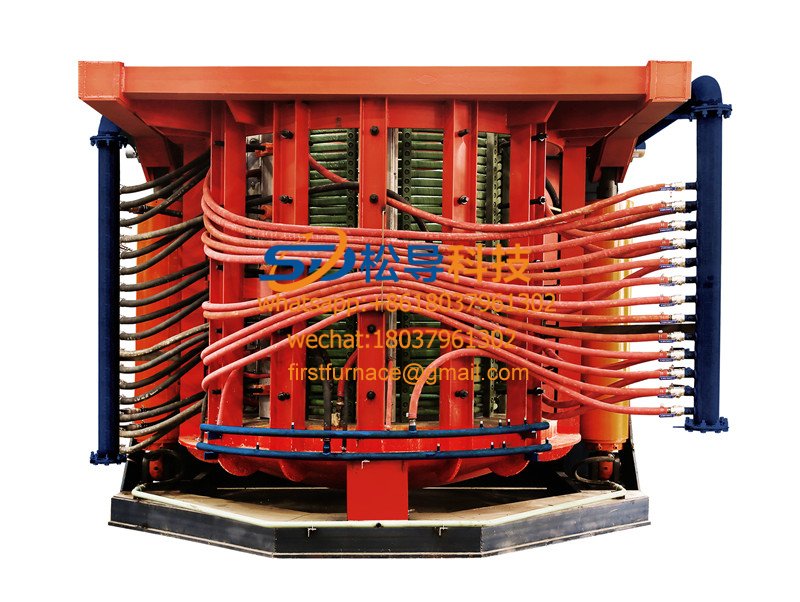
5T Induction Melting Furnace
1T One Belt Two Intermediate Frequency F

5T One Belt Two Intermediate Frequency F
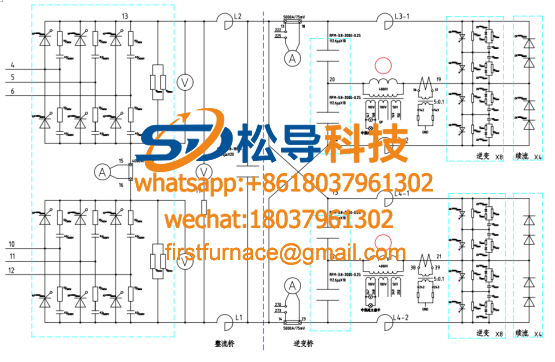
3T One Belt Two Intermediate Frequency F
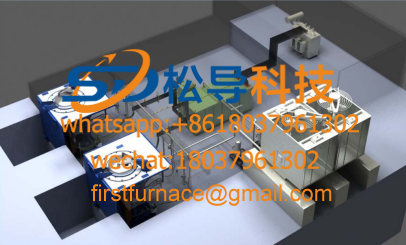
2T One Belt Two Intermediate Frequency F
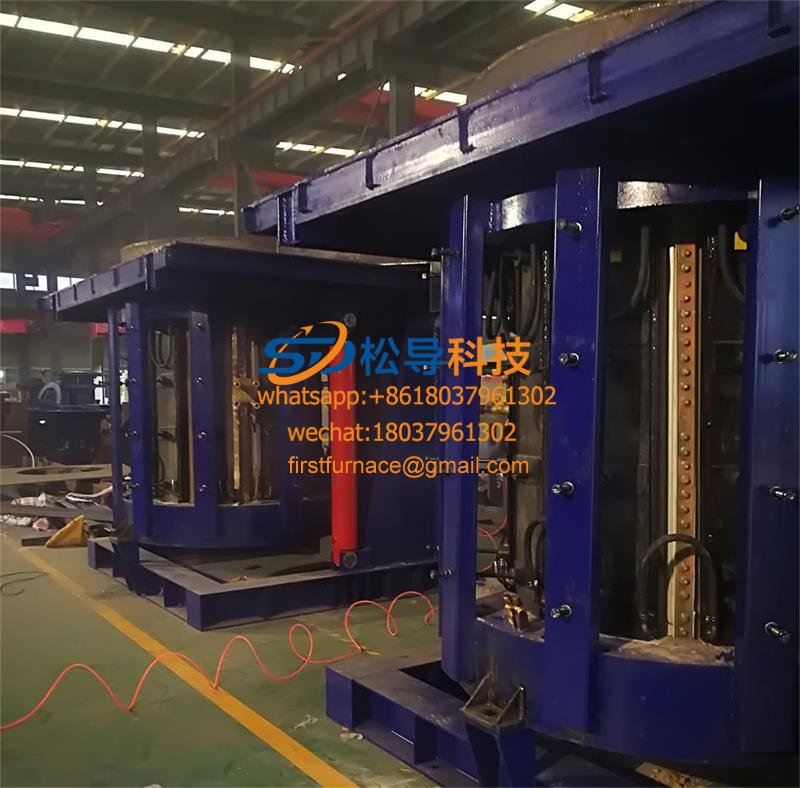
5T Parallel Intermediate Frequency Furna
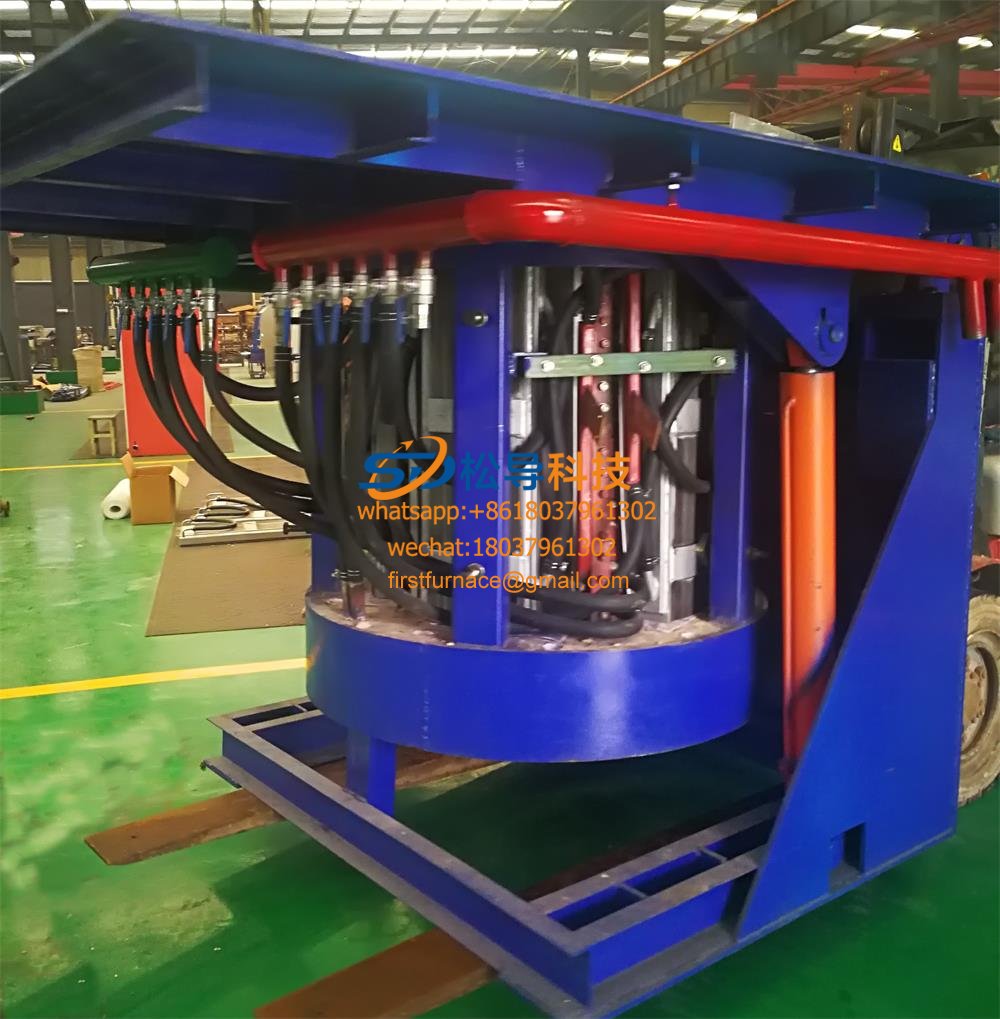
5T Intermediate Frequency Furnace

5T Series Intermediate Frequency Furnace
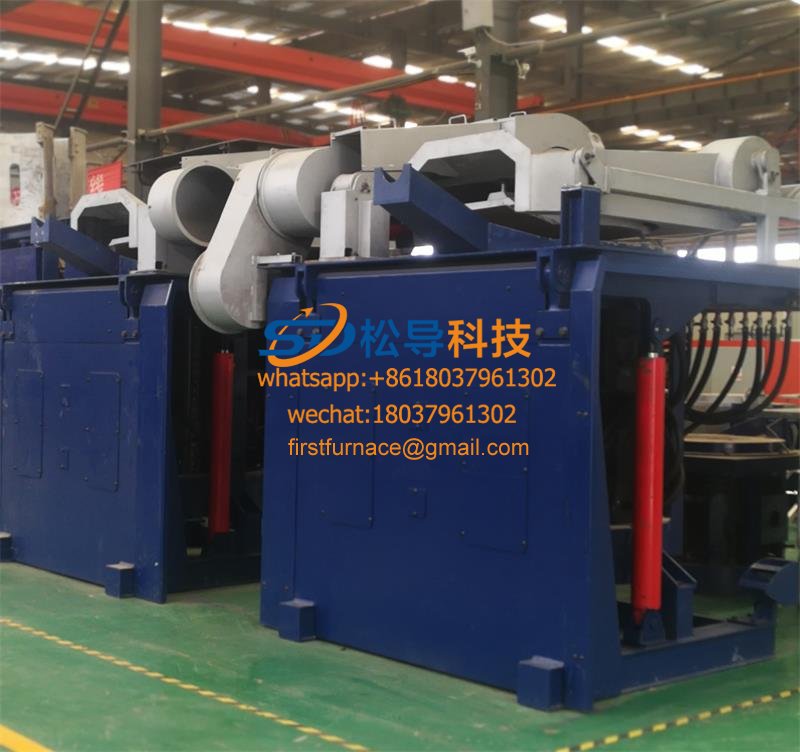
3T Series Intermediate Frequency Furnace
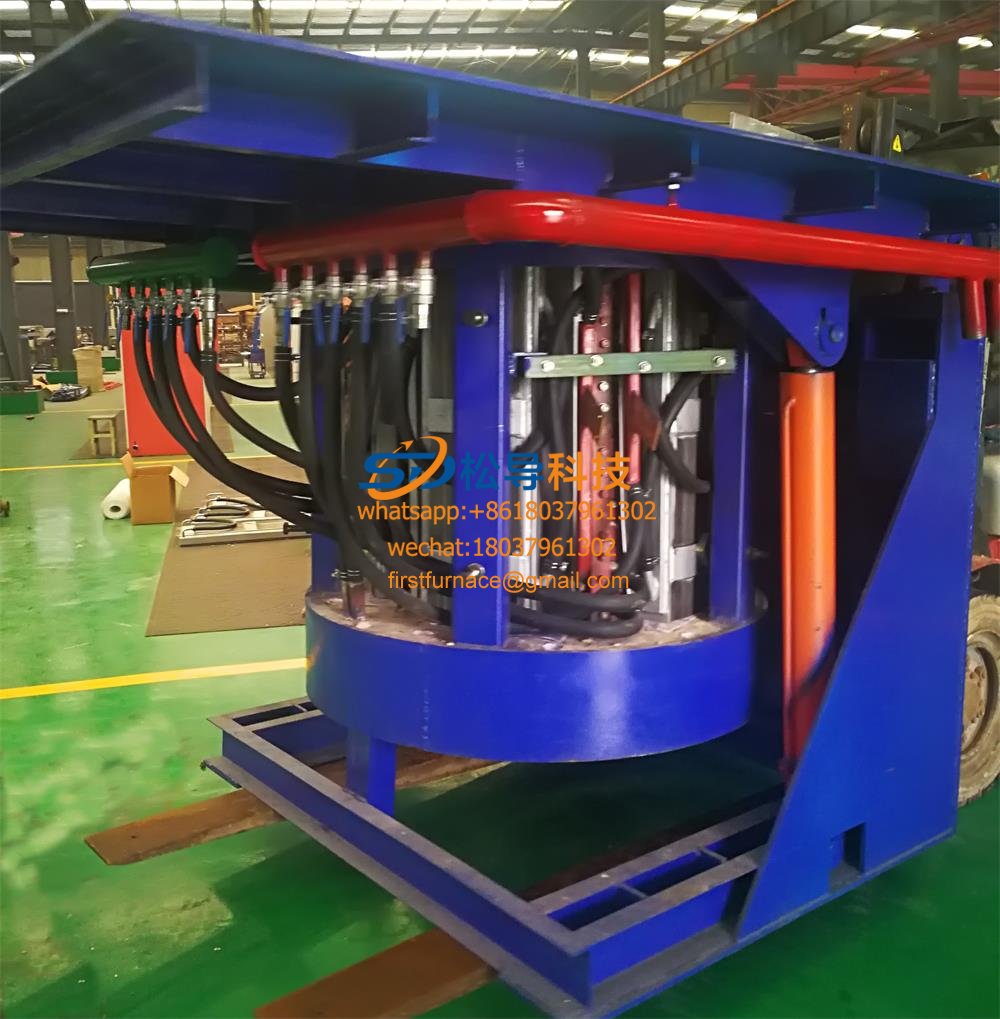
2T Series Intermediate Frequency Furnace
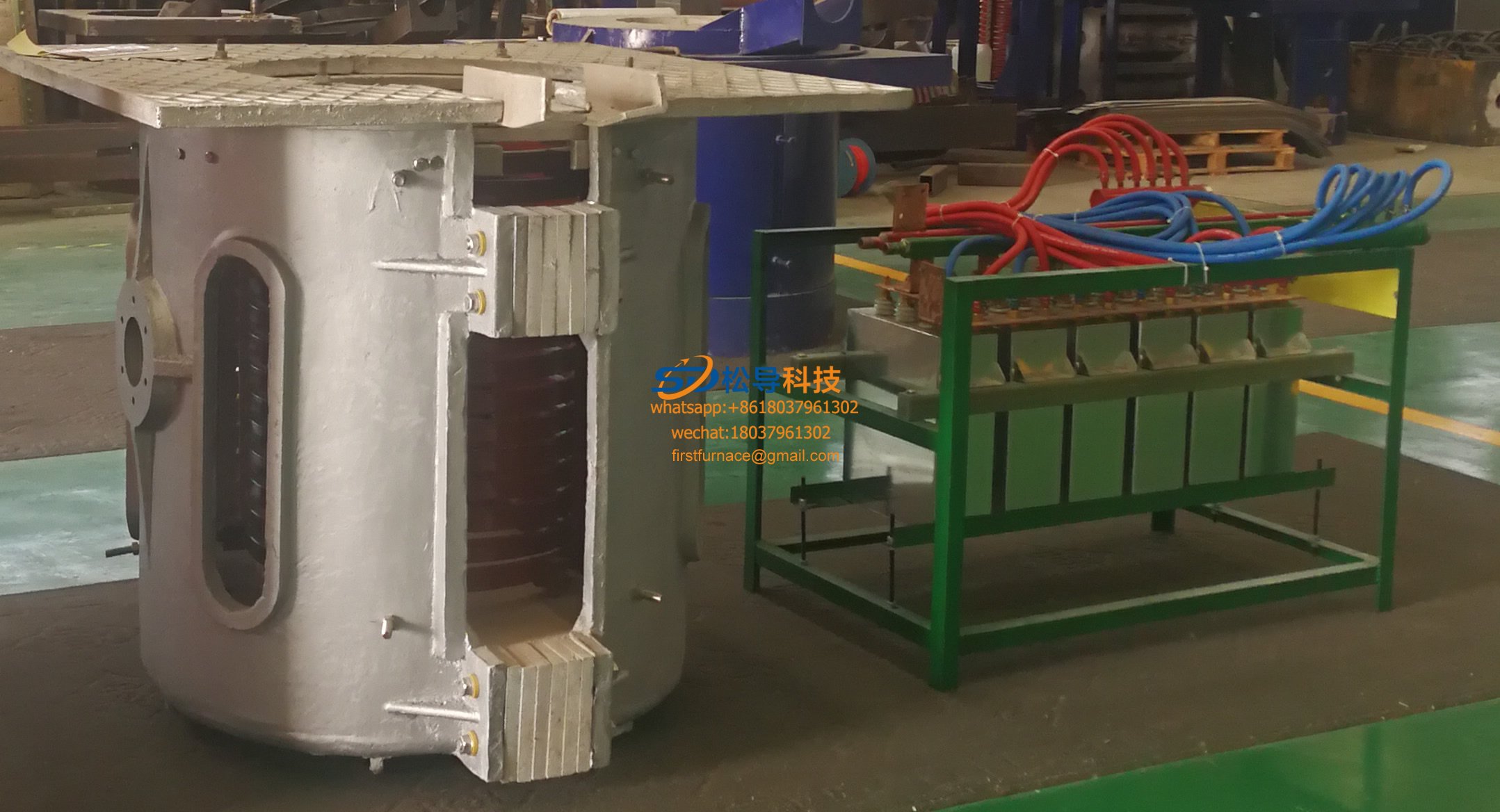
1T Series Intermediate Frequency Furnace
0.5T Series Intermediate Frequency Furna

0.25T Series Intermediate Frequency Furn
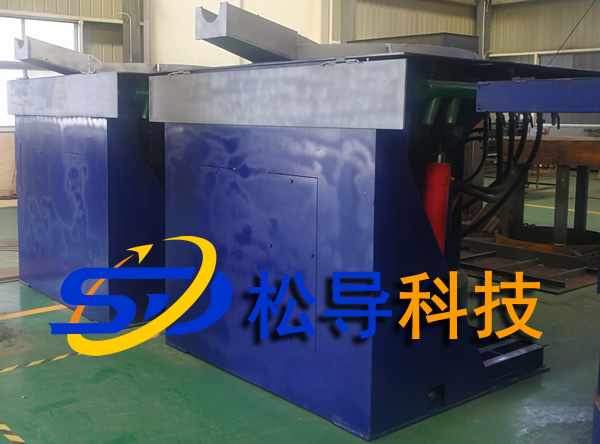
1T Parallel Intermediate Frequency Furna
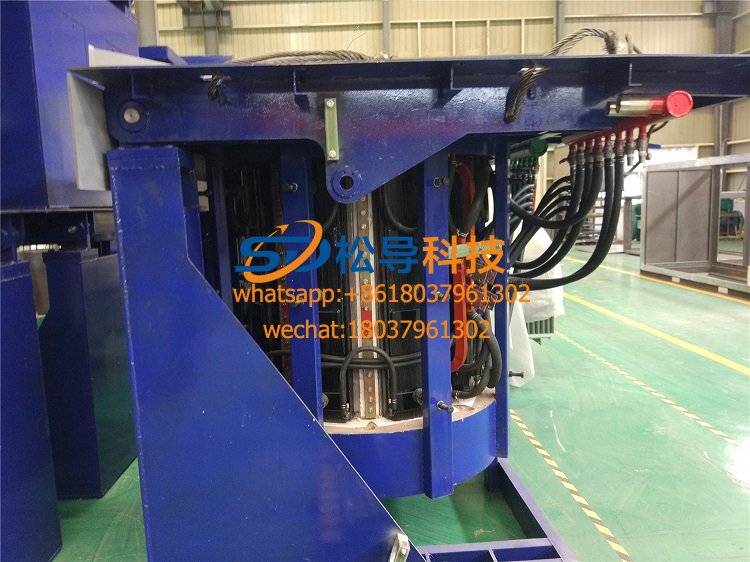
2T Parallel Intermediate Frequency Furna
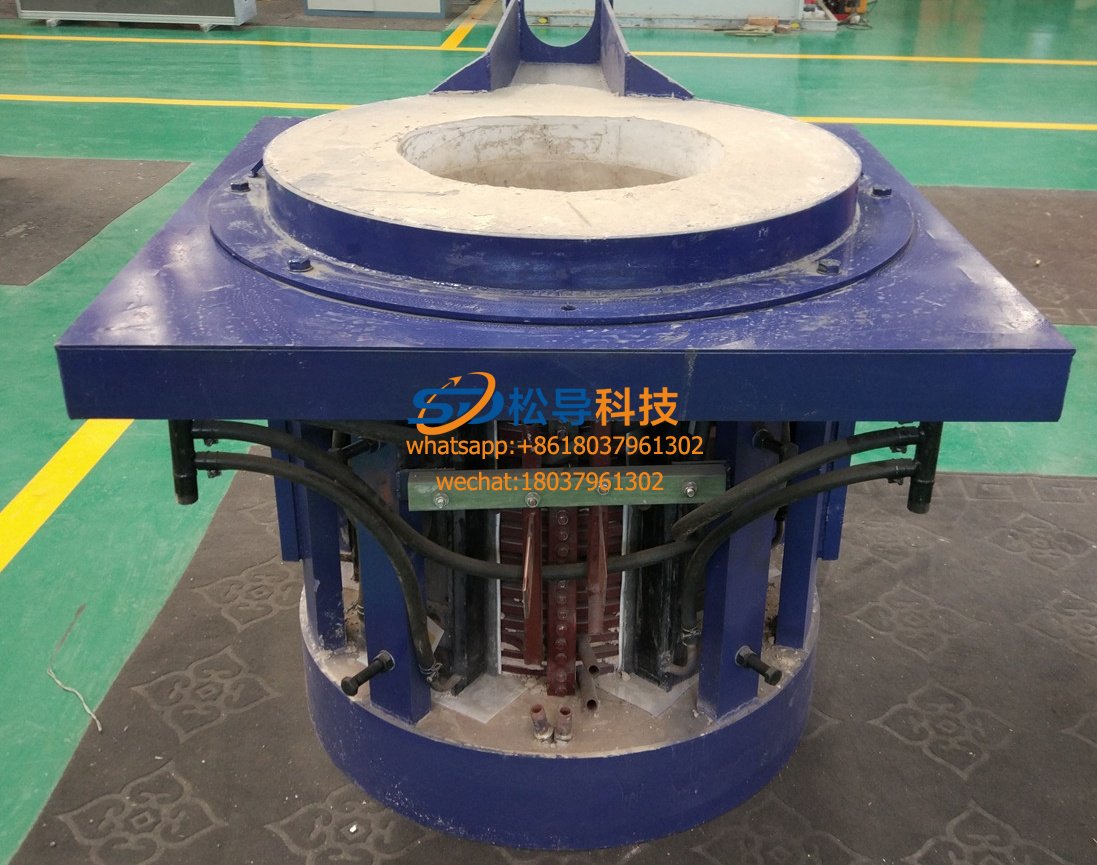
0.5T Parallel Intermediate Frequency Fur